You Won’t Believe What Salalah’s Hidden Nature Spots Taught Me
Salalah isn’t just another dot on the Arabian Peninsula—it’s nature’s best-kept secret. I went expecting desert and heat, but found misty mountains, lush wadis, and coastal trails that stole my breath. This isn’t your typical Gulf getaway. If you're chasing real, raw nature, Salalah delivers. Let me show you how to experience it like a true explorer—without the guesswork or missed gems. What began as a curiosity turned into a journey of quiet revelation, where every winding road through fog-draped cliffs and hidden springs reminded me that beauty thrives where we least expect it. This is a place that rewards patience, respect, and thoughtful preparation.
Why Salalah Stands Out in the Arabian Landscape
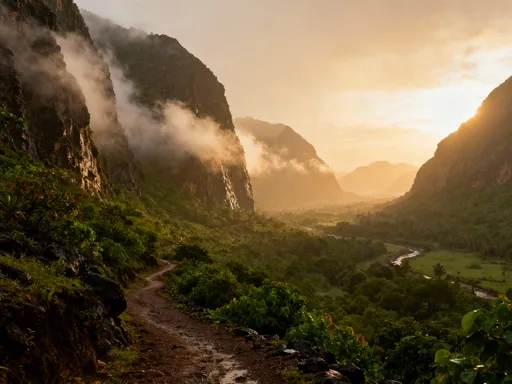
Among the sun-baked sands and urban skylines of the Arabian Peninsula, Salalah emerges as a striking anomaly. Located in the southern Dhofar region of Oman, it undergoes a seasonal transformation so dramatic that it defies regional expectations. While much of the Gulf endures scorching summer heat, Salalah blossoms under the Khareef monsoon, a natural phenomenon that drenches the highlands in mist and rainfall from June through September. This seasonal shift turns arid plateaus into emerald valleys, dry riverbeds into flowing streams, and dusty trails into pathways flanked by wildflowers and ferns.
The secret lies in the Indian Ocean’s southwest monsoon, which sweeps across the coast and collides with the elevated terrain of the Dhofar Mountains. As moist air rises, it cools and condenses, blanketing the region in a soft, persistent fog. Unlike the arid climates typical of the Arabian Peninsula, Salalah during Khareef resembles a subtropical highland—lush, cool, and refreshingly green. This rare ecological niche supports vegetation more commonly found in East Africa or southern India, including frankincense trees, acacia groves, and dense thickets of shrubs that thrive in the moisture-rich air.
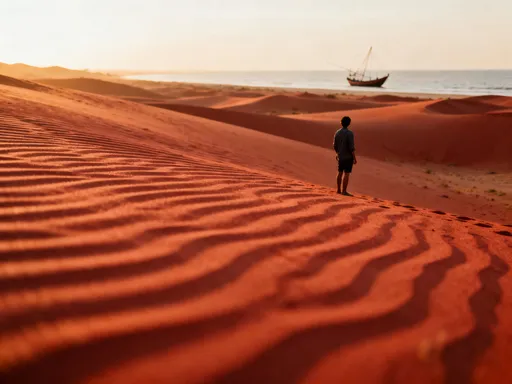
Travelers often arrive with preconceived notions shaped by Oman’s desert image—endless dunes, camel caravans, and golden fortresses rising from the sand. While those landscapes are real and beautiful, they don’t capture Salalah’s essence. The region challenges assumptions, offering a version of Arabia that is alive with water, mist, and the quiet hum of nature reclaiming the land. It’s not just a contrast—it’s a revelation. For those seeking a deeper connection with the natural world, Salalah’s green season provides an unmatched opportunity to witness how climate, geography, and time converge to create something truly extraordinary.
Choosing the Right Time: Mastering the Khareef Season
The key to unlocking Salalah’s magic lies in timing. The Khareef season, which typically runs from June to mid-September, is the only window when the region reveals its full natural splendor. During these months, temperatures hover between 20°C and 28°C (68°F to 82°F), a welcome relief from the triple-digit heat common elsewhere in the Gulf. But beyond comfort, it’s the transformation of the landscape that makes this period so special. Hillsides once brown and barren burst into vibrant green, waterfalls reappear after months of dormancy, and the air carries a crisp, earthy scent that lingers long after you leave.
Yet arriving at the wrong time—or unprepared—can lead to disappointment. The mist, while enchanting, can reduce visibility on mountain roads and obscure panoramic views if you’re not strategic. Early mornings often offer the clearest skies, with fog rolling in more densely by midday. Those planning hikes or photography excursions should aim to start before 7 a.m. to catch the sunrise through clearing clouds, a sight that feels almost otherworldly as golden light filters through layers of vapor drifting over the cliffs.
Booking accommodations in advance is essential. Hotels and guesthouses in Salalah fill quickly during peak Khareef weeks, especially around school holidays and public festivals. Travelers who wait too long may find themselves settling for distant lodgings with limited access to key sites. It’s also wise to check road conditions before departure; some mountain routes become slippery after rainfall, and rental agencies may restrict off-road vehicles during wet periods.
Packing appropriately enhances the experience. Lightweight rain jackets, sturdy walking shoes with good grip, and layered clothing are practical necessities. Many visitors underestimate how cool it can feel atop the plateau, even in summer. A reusable water bottle, sunscreen, and insect repellent complete the essentials. By aligning your visit with the rhythm of the season and preparing for its unique conditions, you position yourself to fully embrace Salalah’s fleeting, flourishing beauty.
Wadi Darbat: The Crown Jewel of Natural Wonders
No journey into Salalah’s natural heart is complete without a visit to Wadi Darbat, a sprawling valley system nestled in the western highlands. Often described as the region’s most iconic destination, Wadi Darbat is a layered tapestry of waterfalls, natural pools, and panoramic overlooks. The wadi unfolds in stages—each tier revealing a new facet of its beauty. At the lowest level, a series of turquoise pools fed by seasonal cascades invite cautious swimming. The water is cool but refreshing, and the surrounding rock formations create natural seating areas perfect for quiet reflection.
Ascending the trail rewards visitors with increasingly dramatic views. Mid-level viewpoints offer framed perspectives of the falls tumbling down moss-covered cliffs, their sound echoing softly through the valley. Higher still, the landscape opens into sweeping vistas across the plateau, where distant hills fade into the mist like brushstrokes on a canvas. On clear days, you can see all the way to the Arabian Sea, a shimmering line on the horizon.
What sets Wadi Darbat apart is not just its visual grandeur but its accessibility. Well-maintained walking paths, informational signage, and designated picnic areas make it suitable for families and casual hikers. However, preserving its fragile ecosystem requires mindfulness. Littering, carving names into rocks, or straying from marked trails can damage delicate plant life and disrupt wildlife. Authorities have implemented regulations to protect the area, including restrictions on open fires and camping in unauthorized zones.
For those seeking an immersive experience, nearby permitted camping sites allow overnight stays under star-filled skies—though reservations are recommended during peak season. Visitors often time their arrival for late afternoon, when crowds thin and the setting sun casts a golden glow across the water. Whether you spend an hour or a full day, Wadi Darbat offers a rare combination of natural drama and serene tranquility, making it not just a destination, but a destination worth remembering.
Jabal Samhan: Where Rugged Meets Wild Beauty
For those drawn to raw, untamed landscapes, Jabal Samhan offers an unparalleled adventure. This mountain range forms part of the eastern edge of the Dhofar plateau, rising abruptly from the coastal plain to heights exceeding 1,500 meters. Its dramatic escarpments plunge into deep canyons, creating one of the most geologically striking regions in southern Oman. The area is part of a protected nature reserve, established to conserve its unique biodiversity and prevent overdevelopment.
Jabal Samhan is known for its rugged terrain and remote character. Unlike more accessible sites, reaching its higher elevations requires a four-wheel-drive vehicle and, ideally, the guidance of someone familiar with the area. Local guides are not just helpful—they’re often essential. They know which trails remain passable after rain, where water sources are located, and how to navigate the maze of unpaved roads that snake through the highlands.
The mountain is home to several rare species, including the elusive Arabian leopard, though confirmed sightings are extremely rare and should never be expected. Conservation efforts are ongoing, and visitors are urged to respect all signage and restrictions within the reserve. Drones, off-roading, and hunting are strictly prohibited, ensuring that the ecosystem remains undisturbed.
One of the most unforgettable experiences in Jabal Samhan is witnessing sunrise from one of its eastern overlooks. As dawn breaks, the first light spills over the plateau, illuminating swirling mist that fills the canyons below. The silence is profound, broken only by the distant call of birds or the rustle of wind through dry grass. It’s a moment of pure stillness, where the scale of nature humbles even the most seasoned traveler. For those willing to venture beyond the beaten path, Jabal Samhan offers not just scenery, but a sense of discovery—a reminder that true wilderness still exists, even in a connected world.
Coastal Escapes: From Mirani Dam to Ain Razat
While the highlands draw much of the attention during Khareef, Salalah’s coastal and near-coastal attractions offer equally rewarding experiences. Two standout destinations—Mirani Dam and Ain Razat—provide accessible, family-friendly opportunities to enjoy freshwater springs, shaded walkways, and the gentle rhythm of rural Omani life.
Mirani Dam, located just outside Salalah city, combines engineering and ecology in a harmonious way. Built to manage seasonal rainfall and support agriculture, the dam has become an unexpected haven for birdwatchers and nature lovers. Its reservoir attracts herons, kingfishers, and migratory species, especially in the early morning hours. A paved walking path circles part of the perimeter, offering views of the water framed by date palms and rocky outcrops. Benches and shaded gazebos make it an ideal spot for a quiet picnic, particularly in the late afternoon when the heat begins to fade.
Just a short drive inland, Ain Razat presents a more intimate experience. This freshwater spring is nestled in a grove of trees, with stepping stones and low bridges allowing visitors to cross the gentle stream. Children often splash in the shallow pools, while adults relax on nearby grassy banks. The site is well-maintained, with clean restrooms, trash bins, and covered seating areas. What makes Ain Razat special is its peaceful atmosphere—it feels untouched by commercialization, a place where families gather not to post photos, but to simply be together.
Both locations are easily combined into a single day trip. Starting at Mirani Dam in the morning allows for cooler temperatures and active exploration, while visiting Ain Razat in the afternoon provides a soothing conclusion. Together, they illustrate how water—so precious in this region—shapes both the environment and the way people interact with it. These spots may not have the drama of Wadi Darbat or the elevation of Jabal Samhan, but they offer something equally valuable: a sense of calm, connection, and natural harmony.
Local Wisdom: How to Travel Like a Resident
To truly appreciate Salalah during Khareef, it helps to slow down and observe how locals engage with the season. For Omani families, this time of year is not just about tourism—it’s a cultural tradition. Many urban residents from Muscat and other cities temporarily relocate to Dhofar, renting homes or setting up tents in the hills to escape the heat and reconnect with nature. Picnics are a central part of this ritual, with generations gathering around simple meals of dates, bread, cheese, and fresh fruit.
Respect for nature is deeply embedded in these customs. Water sources are treated with care; littering is rare, and people often carry out what they bring in. Modest dress is customary, especially in rural areas, and visitors who follow this practice are met with greater warmth and openness. Wearing long sleeves and trousers, even in warm weather, shows cultural sensitivity and helps protect against sun and insects.
Supporting local vendors is another way to travel thoughtfully. Along the roads leading to major sites, small stalls appear selling pomegranate juice, honey, frankincense, and handmade crafts. These entrepreneurs are often farmers or artisans who rely on seasonal income. Buying directly from them not only funds community-based tourism but also opens doors to conversation and connection. A simple smile and a thank you in Arabic—"shukran"—can go a long way.
Perhaps the most important lesson from local life is the value of presence. In a world that glorifies speed and productivity, Salalah during Khareef invites stillness. It’s common to see families sitting together for hours, watching the mist roll in, sharing stories, or simply enjoying the cool breeze. By adopting this mindset—prioritizing experience over checklist tourism—visitors gain more than memories. They gain perspective.
Avoiding Common Mistakes: Practical Tips for a Smoother Journey
Even the most well-intentioned travelers can stumble when exploring Salalah’s remote landscapes. Some of the most common pitfalls are easily avoidable with a bit of foresight. One frequent error is underestimating road conditions. While main highways are well-paved, secondary and mountain roads can be unpaved, narrow, or slippery after rain. Renting a four-wheel-drive vehicle is not just advisable—it’s often necessary for reaching key destinations safely.
Another oversight is ignoring fuel and supply stops. Gas stations become sparse once you leave the city, and convenience stores are rare in rural zones. Carrying extra water, snacks, and a full tank before heading into the highlands prevents stressful situations. Mobile phone signals can also be unreliable, so downloading offline maps or carrying a physical guidebook is a smart precaution.
Over-reliance on GPS is another issue. Navigation apps may fail to update recent road changes or misroute drivers onto impassable tracks. When in doubt, asking locals for directions—especially at small tea stands or village intersections—often yields more accurate information. Additionally, visiting popular spots like Wadi Darbat at midday means contending with crowds, harsh lighting for photography, and limited parking. Starting early ensures a more peaceful experience and better photo opportunities.
Finally, some travelers forget that Khareef is not just a backdrop—it’s a living season with rules and rhythms. Disregarding protected areas, disturbing wildlife, or leaving trash behind harms the very beauty they’ve come to admire. By approaching Salalah with humility, preparation, and respect, visitors ensure that its wonders remain intact for future generations. The journey may begin with adventure, but it deepens through awareness.
Salalah’s true magic lies not just in its green hills or misty peaks, but in how it reshapes your expectations of the region. This is nature in full rebellion against the desert—lush, alive, and deeply peaceful. By choosing wisely, traveling respectfully, and preparing well, you don’t just see Salalah—you feel it. And that makes all the difference.