Taste of Cali: What This Colombian City’s Street Food Taught Me
You know that feeling when you think you’ve tried it all, and then a small city in Colombia flips your food world upside down? Cali isn’t just salsa and sunshine—its streets are alive with flavors so bold, they stick to your memory. I went looking for dance, but stayed for chuzos, tamales, and the kind of arepas that make you forget everything you thought you knew about corn. This is real, unfiltered food—cooked with pride, served with a smile. In a country celebrated for its coffee, music, and landscapes, Cali’s culinary heartbeat often goes unnoticed by international travelers. Yet, those who pause to taste discover a city where every bite tells a story of heritage, community, and joy.
First Impressions: Why Cali Surprised Me
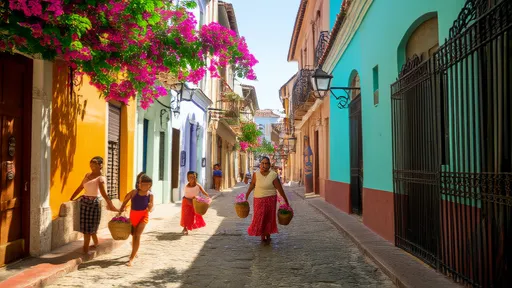
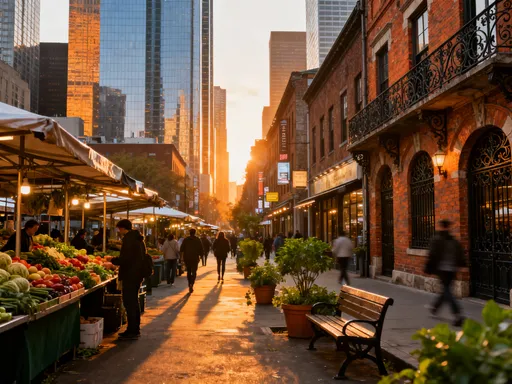
Arriving in Cali, expectations were modest. Known globally for its vibrant salsa scene and as a gateway to the Andean foothills, the city doesn’t always top international travel lists like Cartagena or Medellín. There are no pastel-colored colonial facades lining cobblestone streets, nor boutique cafes tucked into mountain cliffs. Instead, Cali greets visitors with wide avenues, tropical heat, and an energy that feels both grounded and electric. It’s a working city—honest, unpolished, and full of life. I had come to experience the rhythm of local dance halls, but within hours of landing, my senses were captured not by music, but by aroma.
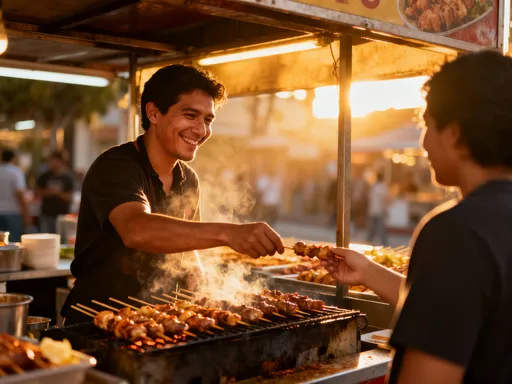
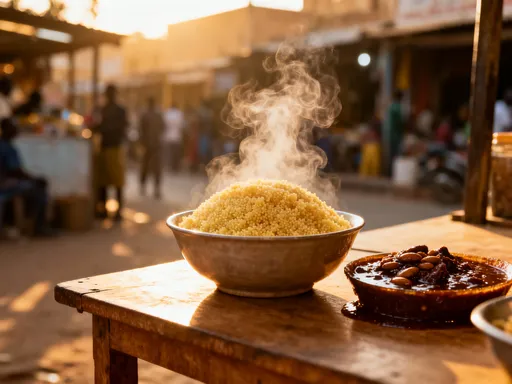
The scent of cumin, garlic, and charred meat hung in the humid air near Plaza Caicedo, where clusters of street vendors grilled skewers over open flames. Men in wide-brimmed hats flipped cuts of beef and pork on rusted grills, while women in aprons folded corn dough into perfect parcels. There was no menu board, no Instagrammable signage—just food, freshly made, passed hand to hand. I watched families gather around plastic tables under faded awnings, laughing between bites. A man offered me a sample of something wrapped in banana leaf—warm, savory, rich with spices I couldn’t name. That moment marked the beginning of a deeper understanding: in Cali, food isn’t an accessory to travel. It is the journey itself.
What struck me most was the authenticity. Unlike more tourist-saturated cities, Cali doesn’t perform for visitors. Its culinary culture isn’t curated for outsiders; it simply exists, deeply woven into daily life. The absence of pretense made every meal feel earned—a privilege, not a transaction. I realized that to know Cali, one must eat like a local, move at their pace, and accept invitations with gratitude. This city doesn’t shout its charms. It whispers them through the sizzle of a grill, the steam rising from a pot of stew, the shared silence between strangers enjoying the same plate.
The Heart of Cali’s Flavors: Street Food Culture
Street food in Cali is not a trend or a novelty—it’s a cornerstone of everyday existence. For many residents, breakfast begins with a warm arepa slathered in butter and paired with a cup of thick, sweet coffee. Lunch might be a chuzo enjoyed on a folding stool outside a corner stall, washed down with a chilled lulo juice. Evenings often end with aborrajados, golden-brown fritters that crack open to reveal melted cheese and sweet plantain. These aren’t indulgences; they’re rituals, repeated across generations and neighborhoods.
The culture thrives because it’s built on trust, visibility, and consistency. Vendors cook in full view, allowing customers to see ingredients, preparation methods, and hygiene practices. A busy stall with a constant stream of locals is the best indicator of quality and safety. The turnover is high, meaning food is fresh, rarely sitting out for long periods. Many vendors have operated in the same spot for decades, earning loyalty through flavor and reliability. They’re not just cooks—they’re neighbors, confidants, and keepers of tradition.
Ingredients are simple but powerful. Maize, plantains, yuca, and beans form the foundation of most dishes, reflecting the agricultural abundance of the Valle del Cauca region. Beef and pork are grilled with minimal seasoning to highlight natural flavor, often enhanced with aji, a spicy sauce made from native peppers. Fresh herbs like cilantro and epazote add brightness, cutting through richness. Everything is prepared with care, even if served on disposable plates. There’s dignity in this labor, a quiet pride in feeding the community.
Eating on the street also fosters connection. Meals are rarely solitary. Even when dining alone, one becomes part of a shared experience—standing side by side with others, exchanging nods, sometimes words. A vendor might ask how your day is going, offer extra sauce, or remember your usual order. These small gestures build a sense of belonging. In a world where travel can feel transactional, Cali’s street food offers something rare: intimacy without intrusion, warmth without performance.
Must-Try Bites: A Breakdown of Cali’s Signature Dishes
To understand Cali is to taste its most iconic dishes—each one a reflection of the region’s history, climate, and spirit. At the top of any list is the chuzo, a generous skewer of grilled meat typically made with beef, pork, or chicken. What sets it apart is the accompaniment: a fluffy arepa, a fried egg, ripe avocado, and a pile of crispy fries, all served on a single plate. The combination is hearty, satisfying, and deeply comforting. Found at roadside grills and market stalls alike, the chuzo is a meal built for workers, dancers, and wanderers alike.
Equally essential is the tamal vallecaucano, distinct from tamales in other parts of Colombia. Wrapped in banana leaves and steamed slowly, it contains a layered mix of corn masa, pork, peas, carrots, and sometimes raisins or capers. Unlike the simpler versions found in Bogotá or the Caribbean coast, Cali’s tamales are complex, almost pie-like in their construction. Families often prepare them for holidays or weekends, but they’re also sold fresh each morning in markets. To eat one is to taste a blend of Indigenous, African, and Spanish influences—a true culinary mosaic.
Sancocho vallecaucano is another regional treasure. This rich stew combines chicken or beef with plantains, yuca, corn, and potatoes, simmered until tender and fragrant. A squeeze of lime and a sprinkle of chopped cilantro elevate the broth, making it both nourishing and bright. Often eaten during cooler mornings or rainy afternoons, sancocho is the kind of dish that feels like a hug from the inside. It’s commonly shared among family members, passed around in large bowls, reinforcing bonds with every spoonful.
For those with a sweet tooth, aborrajados are a must. Made from ripe plantains stuffed with cheese, dipped in batter, and deep-fried until golden, they balance sweetness and saltiness in a single bite. Served warm, often with a drizzle of honey or a dusting of powdered sugar, they’re popular as snacks or desserts. Empanadas, meanwhile, offer a crispier alternative—cornmeal pockets filled with meat or cheese, fried to perfection. Both are best enjoyed fresh, straight from the fryer, when the contrast between crunchy exterior and soft interior is at its peak.
Each of these dishes connects back to the land. The fertile valleys surrounding Cali produce an abundance of crops, making fresh ingredients accessible and affordable. This agricultural wealth translates directly onto the plate, ensuring that even the simplest meal feels generous. For travelers, the key is seeking out authenticity—avoiding stalls that inflate prices for foreigners or alter recipes to suit foreign palates. The most genuine versions are often found where locals queue, where the cook greets regulars by name, and where the food arrives without fanfare—just warmth, flavor, and care.
Hidden Spots: Where Locals Really Eat
While Plaza Caicedo offers a lively introduction to Cali’s street food, the true depth of its culinary scene unfolds in neighborhood markets and family-run eateries. The Mercado Central is a prime example—a sprawling indoor market where butchers, bakers, and produce vendors share space with dozens of food stalls. Here, breakfast lines form early for tamales still warm from the steamer. Women in aprons ladle sancocho into plastic bowls, while others press arepas to order on hot griddles.
But beyond the central market, smaller neighborhood foci reveal even more intimate experiences. In San Fernando, a quiet plaza hosts a morning market where grandmothers sell homemade aborrajados from portable stoves. In Mariano Ramos, a cluster of fondas—small, family-operated eateries—serve daily specials that change based on what’s fresh at the market. These places don’t appear on tourist maps, yet they represent the soul of Cali’s food culture. They’re unassuming, often lacking signage, but their reputation rests on consistency and flavor.
One of the best ways to identify a trustworthy stall is to observe foot traffic. A long line of locals, especially during peak hours, is a strong sign of quality. High turnover ensures freshness, reducing the risk of food sitting out too long. Another clue is simplicity—vendors who specialize in one or two dishes tend to perfect them over time. A woman who only makes tamales likely knows every detail of the recipe, from the ideal steaming time to the right balance of spices.
Timing also matters. Many dishes are prepared in batches, often early in the morning or mid-afternoon. Arriving too late may mean missing out on the best offerings. For example, tamales are typically ready by 7 a.m. and may sell out by noon. Similarly, fresh arepas are best between 8 and 10 a.m., when they’re still warm from the first round of cooking. Asking hotel staff or taxi drivers for their favorite spots can lead to unexpected discoveries—perhaps a hidden comedor tucked behind a laundromat or a street cart known only by the people who live nearby.
Travelers should also avoid common mistakes, such as drinking tap water or choosing stalls with poor hygiene practices. While street food in Cali is generally safe, it’s wise to stick to bottled water and use hand sanitizer before eating. Opting for foods that are cooked to order and served hot reduces risk further. The goal is not to eliminate adventure, but to enjoy it responsibly—savoring bold flavors without compromising well-being.
Beyond the Plate: How Food Connects You to People
One of the most profound lessons Cali taught me is that food is more than sustenance—it’s a language. Ordering a chuzo in broken Spanish led to a patient vendor repeating the words slowly, helping me pronounce them correctly. Sharing a table with a local family turned into a conversation about music, festivals, and daily life. A simple “Delicioso!” offered with a smile often sparked laughter and an extra piece of arepa “for the road.” These moments, small and unplanned, became the heart of my journey.
There’s a generosity in Cali’s food culture that transcends transaction. Vendors frequently offer samples, not to sell more, but to share pride in their craft. A woman frying empanadas once handed me a small plate with two pieces, saying, “Try this—my mother’s recipe.” That act of kindness opened a door to a longer conversation, one that included stories of her childhood, her parents’ migration to the city, and how she learned to cook. In that moment, I wasn’t a tourist—I was a guest.
Learning to eat like a local also meant learning to move like one. I began to notice routines—the man who stops for a tamal every Tuesday morning, the group of friends who meet weekly for chuzos after dance practice. These rituals create rhythm, a sense of stability in daily life. By participating, even briefly, I felt a connection to the city’s pulse. Food became a bridge, allowing me to cross cultural gaps with respect and humility.
This kind of connection doesn’t happen in guidebooks or tour buses. It arises in the spaces between bites, in the shared silence of a meal, in the willingness to try something unfamiliar. Cali reminded me that travel isn’t about checking destinations off a list. It’s about slowing down, opening up, and letting experiences shape you. And sometimes, the most transformative moments come not from monuments or museums, but from a simple plate of food shared with strangers who soon feel like friends.
Practical Tips for Food-Focused Travelers
For those planning to explore Cali’s culinary landscape, a few practical considerations can enhance both safety and enjoyment. First, hydration is key in the city’s tropical climate, but only bottled or purified water should be consumed. Carrying a small bottle of hand sanitizer is also advisable, especially when eating with hands or using shared tables.
When selecting where to eat, prioritize stalls with high customer turnover. Long lines of locals are a reliable indicator of freshness and quality. Avoid places where food sits uncovered for extended periods or where hygiene appears questionable. Look for vendors who use gloves or tongs, and who keep their workspace clean. If in doubt, follow the crowd—Colombians are discerning eaters, and their choices are trustworthy.
Budgeting for food in Cali is straightforward. Most street dishes range from $1 to $3 USD, making it possible to enjoy multiple meals a day without overspending. A full chuzo plate, including arepa and fries, typically costs less than $4. Fresh juices and snacks like empanadas or aborrajados are even more affordable. For those wishing to splurge, a sit-down meal at a reputable local restaurant might cost $10–$15, offering a chance to experience elevated versions of traditional dishes in a more formal setting.
Combining food with other cultural experiences enriches the journey. Visiting a market in the morning, then attending a free salsa lesson in the afternoon, creates a balanced itinerary. Many plazas host live music on weekends, providing a lively backdrop for a street food lunch. Parks like Parque del Perro offer shaded seating and a relaxed atmosphere for enjoying a meal while watching daily life unfold.
Technology can also aid discovery. Local apps like Rappi, widely used in Colombian cities, allow users to browse nearby food vendors and read reviews. Asking hotel staff or taxi drivers for recommendations often yields the best results, as they tend to support family-run businesses and know hidden gems. The key is to remain curious and open—sometimes the best meal comes from a cart with no name, found by accident while walking down a quiet street.
Why Cali’s Cuisine Deserves More Attention
While Medellín and Bogotá often dominate conversations about Colombian cuisine, Cali’s food culture holds a unique and vital place. Its flavors are bolder, its preparations more rooted in rural traditions, and its street food scene more deeply integrated into daily life. The city doesn’t seek attention—it simply lives its truth, one plate at a time. Yet, for those willing to look beyond the headlines, Cali offers a culinary experience that is both authentic and transformative.
The identity of Valle del Cauca’s cuisine is shaped by its geography and history. Nestled between the Andes and the Pacific, the region benefits from diverse microclimates, allowing for a wide range of crops. African, Indigenous, and Spanish influences blend seamlessly in dishes like sancocho and tamal, creating a flavor profile that is distinct from other regions. Unlike the coastal emphasis on seafood or the highland focus on potatoes and soups, Cali’s food celebrates maize, plantains, and grilled meats—ingredients that speak to its tropical, agricultural roots.
As tourism grows, there is a delicate balance between preservation and modernization. Some newer restaurants are reinterpreting traditional dishes with contemporary techniques, introducing Cali’s flavors to a global audience. While innovation can be positive, it’s essential that the soul of the cuisine remains intact. The women frying aborrajados in banana leaves, the men grilling chuzos over open flames—these traditions carry cultural memory and should be honored, not replaced.
To future travelers, I offer this invitation: look beyond the guidebooks. Seek out the markets, follow the scent of grilled meat, and let your taste buds lead the way. Order with curiosity, eat with gratitude, and listen to the stories behind the food. Cali doesn’t demand admiration—it simply offers itself, generously and without pretense. My time there didn’t just feed me. It changed how I travel—teaching me to slow down, to connect, and to find joy in the simple act of sharing a meal. In a world that often feels rushed and disconnected, that is a gift worth savoring.