Taste of the Unexpected: What I Ate in Ouagadougou That Changed My Mind
You know that feeling when you think you’ve tried it all, and then—bam—West Africa hits your palate with something completely new? I arrived in Ouagadougou curious, but left transformed. From smoky grilled meats to millet-based stews bursting with flavor, the city’s street food scene is raw, real, and ridiculously delicious. This isn’t just eating—it’s a cultural deep dive, one bite at a time. In a place where meals unfold on plastic stools by the roadside and laughter rises with the steam from boiling pots, food becomes more than sustenance. It becomes a story, a rhythm, a way of belonging. For the open-hearted traveler, Ouagadougou offers not just new tastes, but a new way of understanding community, resilience, and joy.
First Impressions: Stepping Into Ouagadougou’s Food Culture
The moment you step off the plane in Ouagadougou, the heat wraps around you like a thick blanket, but it’s the scent that truly announces your arrival. Smoke, charred meat, earthy grains, and the faint tang of fermenting sauces drift through the air, pulling you toward clusters of food stalls even before you’ve claimed your luggage. The capital of Burkina Faso doesn’t ease you in—it welcomes you with boldness, authenticity, and an unapologetic celebration of flavor. For many visitors, especially those accustomed to curated dining experiences, the immediacy of street food can feel overwhelming. There are no menus, few signs, and hygiene standards that differ from what one might expect back home. Yet, within hours, curiosity often overrides caution.
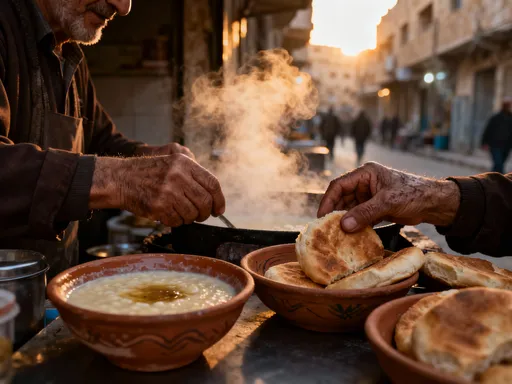
In Ouagadougou, food is not an isolated event but a thread woven into the fabric of daily life. Meals are communal, often shared from a single bowl, and eaten with the right hand—a practice that fosters intimacy and presence. Breakfast might be a warm cup of milky attaya tea sipped slowly with friends, while lunch unfolds in bustling outdoor markets where women stir enormous pots of sauce over open fires. Dinner frequently centers around grilled meats and starchy staples, enjoyed late in the evening as families gather and neighbors exchange news. This rhythm reflects a culture where time is not strictly measured, and connection is prioritized over speed.
For the first-time visitor, the sheer vibrancy can be disorienting. The noise of motorbikes weaving through food carts, the calls of vendors hawking their wares, and the constant hum of conversation create a sensory overload. Yet, this is precisely where the magic lies. The hesitation many feel—about cleanliness, ingredients, or unfamiliar textures—is gradually replaced by trust. Trust in the woman who has been making tô for thirty years, in the teenager flipping brochettes with practiced ease, in the shared understanding that food, in its most honest form, is meant to be shared. And it is this shift—from doubt to openness—that marks the beginning of a deeper journey.
The Heart of the Plate: Staple Ingredients You Need to Know
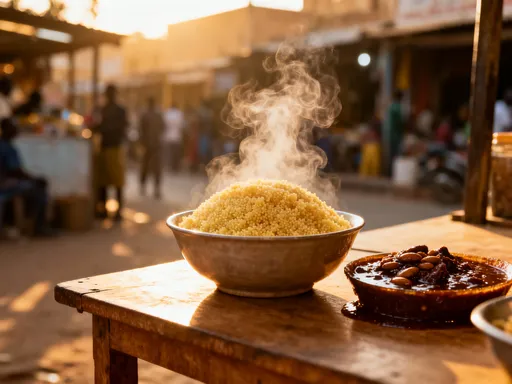
To understand the soul of Burkinabé cuisine, one must start with its foundation: the grain. Tô, a thick, smooth porridge made from millet or sorghum, is the cornerstone of most meals in Ouagadougou. It is often served in a large bowl, placed at the center of a gathering, and eaten by tearing off small pieces with the right hand, then dipping them into a flavorful sauce. This simple act—forming a small ball of tô and using it to scoop—connects the diner directly to the food, making the experience tactile and intimate. Tô is more than a side dish; it is a cultural emblem, representing sustenance, resilience, and tradition.
The sauces that accompany tô are where the true artistry lies. These are not mere condiments but complex, slow-cooked masterpieces that vary by region and season. One of the most common is sauce d’arachide, a rich peanut-based stew that simmers for hours with tomatoes, onions, and spices. Another staple is sauce feuille, made from dried and powdered baobab leaves, which lend a slightly sour, earthy depth. Okra is also widely used, creating a viscous, velvety texture that binds the sauce together. These ingredients are not chosen for novelty but for necessity—adapted over generations to the Sahel’s arid climate and limited growing seasons.
What makes these ingredients remarkable is their ability to transform scarcity into abundance. Millet and sorghum thrive in dry conditions where other grains fail. Baobab trees, often called “the tree of life,” provide nutrient-dense leaves and fruit that can be stored for months. Peanuts, introduced centuries ago, have become a dietary pillar, offering protein and richness in a landscape where meat is often a luxury. Even soumbala, a fermented condiment made from locust beans, plays a crucial role. With a pungent aroma reminiscent of blue cheese, it adds umami depth to dishes and acts as a natural preservative. These ingredients are not just food—they are a testament to ingenuity, survival, and deep ecological knowledge passed down through generations.
Street Food Adventures: Where Locals Eat
If you want to eat like a local in Ouagadougou, follow the smoke. By late afternoon, the city comes alive with the glow of charcoal grills and the sizzle of meat hitting hot metal. Open-air markets such as Nayala and Sankariare become epicenters of culinary energy, where dozens of small stalls operate under faded awnings or repurposed umbrellas. These are not tourist traps but genuine community hubs where office workers, students, and artisans gather to refuel. The atmosphere is lively, informal, and deeply social—people stand in clusters, balancing plates on their laps, laughing, debating, and sharing bites.
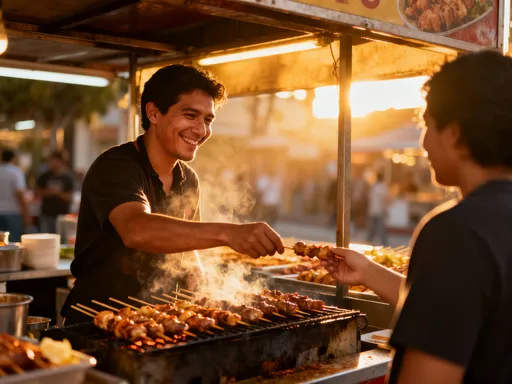
One of the most iconic street foods is brochettes—skewers of marinated beef, chicken, or goat grilled over open flames. The meat is often rubbed with a blend of garlic, ginger, and chili, then basted with a mixture of oil and spices as it cooks. The result is tender, smoky, and deeply aromatic. Vendors typically serve brochettes with a side of fried onions, grilled tomatoes, and a wedge of lime. Equally popular is riz gras, a hearty dish of rice cooked in tomato paste and palm oil, studded with carrots, cabbage, and chunks of meat. Despite its name, which translates to “fatty rice,” the dish is not greasy but richly flavored, with a deep red hue that signals its robust seasoning.
Hygiene standards may differ from Western expectations, but many travelers find reassurance in observing high turnover and freshly prepared food. The best stalls are those with long lines—evidence of both quality and safety. Prices are remarkably low; a full meal can cost less than two dollars, making it accessible to nearly everyone. What’s striking is not just the affordability but the sense of dignity in the service. Vendors take pride in their craft, often calling out greetings as you approach and offering samples with a smile. This is not fast food in the disposable sense—it is food made with care, meant to nourish and connect.
From Farm to Table: A Visit to a Local Market
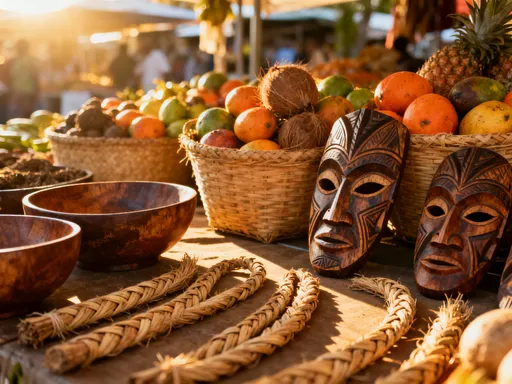
To truly appreciate Ouagadougou’s cuisine, one must visit its morning markets, where the journey from soil to plate becomes visible. At markets like Rood-Wendem or the Central Market, the day begins before sunrise. Women in brightly colored wrappers arrange pyramids of okra, eggplants, and green beans, while men unload sacks of millet and sorghum from wooden carts. The air is thick with the scent of fresh herbs, dried fish, and pungent spices. This is where the city’s food system pulses—transparent, seasonal, and deeply rooted in local agriculture.
One of the most fascinating aspects is the variety of preserved ingredients. Dried fish, often imported from coastal West African nations, is sold in baskets and rehydrated for sauces. Fermented condiments like soumbala and dakounda are handmade in villages and transported in small plastic bags, their strong smell a sign of potency. Spices are rarely pre-ground; instead, vendors sell whole grains of black pepper, cloves, and grains of paradise, which customers grind at home. This emphasis on freshness and preservation reflects a culinary philosophy that values flavor longevity and resourcefulness.
Conversations with vendors reveal a deep knowledge of seasonality. Okra is at its peak during the rainy season, while baobab leaves are harvested and dried in the dry months for year-round use. Tomatoes, though available year-round, are most flavorful after the first rains. Many women grow their own vegetables in small urban gardens or rely on rural relatives for fresh produce. This network of informal supply chains ensures that even in a rapidly growing city, food remains closely tied to the land. For the traveler, these interactions are not just educational—they are humbling, offering a glimpse into a way of life where food is not taken for granted but honored as a gift.
Home Cooking Experience: Sharing a Meal with a Local Family
One of the most memorable moments of my trip was an invitation to share lunch with a local family in the Tanghin neighborhood. There was no restaurant, no performance—just a modest home with a courtyard where a charcoal stove sat under a tin roof. The host, Madame Kaboré, welcomed me with a warm handshake and a smile that instantly put me at ease. As she began preparing the meal, I watched in fascination as she transformed raw ingredients into a feast with nothing more than a few pots, a wooden spoon, and decades of instinct.
The centerpiece was sauce d’arachide, which she built layer by layer. First, she sautéed onions in a shallow pot until golden, then added crushed tomatoes and a pinch of salt. As the mixture thickened, she stirred in peanut paste, diluted with water to create a creamy consistency. Chopped chicken was added and left to simmer, absorbing the rich flavors. But the real secret, she explained, was dakounda—a fermented locust bean paste that she scooped from a small container. A tiny amount was enough to deepen the entire dish, adding a savory, almost meaty complexity. As the sauce bubbled gently, she prepared the tô, stirring millet flour into boiling water until it reached a smooth, dough-like texture.
When the meal was ready, we gathered around a low table, sitting on plastic stools. The bowl of sauce was placed in the center, surrounded by portions of warm tô. We ate with our hands, dipping and sharing freely. Conversation flowed easily, punctuated by laughter and questions about life in both our countries. What struck me most was not the food itself—though it was exquisite—but the spirit in which it was offered. This was not hospitality as a gesture but as a way of life. In Burkina Faso, sharing a meal is an act of trust, generosity, and belonging. It says, “You are welcome here.” And in that moment, I felt it deeply.
Hidden Gems: Lesser-Known Dishes That Deserve the Spotlight
Beyond the popular brochettes and riz gras lies a world of underappreciated dishes that reveal even deeper layers of Burkinabé cuisine. One such dish is foufou, made from boiled and pounded cassava, resulting in a soft, elastic dough similar in texture to mashed potatoes but with a subtle sweetness. It is often served with peanut or okra sauce and eaten in the same way as tô—by hand, in communal fashion. Though less common in the capital, it remains a staple in rural areas and among certain ethnic groups, offering a different kind of comfort and connection to the land.
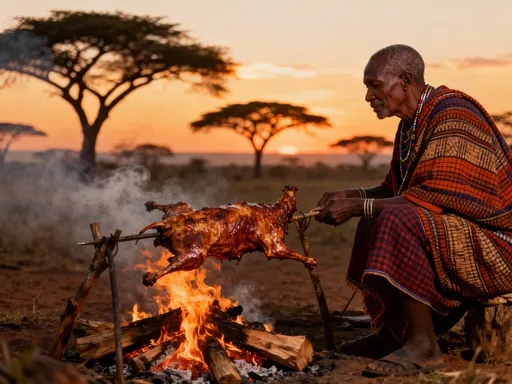
Another hidden gem is the dibiterie—a modest roadside grill specializing in grilled goat and mutton. Unlike the more tourist-friendly brochette stands, dibiteries cater almost exclusively to locals. The meat is cut into small pieces, marinated with minimal seasoning, and grilled over hot charcoal until the edges are crisp and the inside remains tender. It is typically served with a side of sliced onions, a chili pepper, and a piece of baguette—a legacy of French colonial influence. What makes dibiteries special is their authenticity. There are no frills, no English menus, just honest food made for people who know exactly what they want.
These lesser-known dishes offer a truer taste of Ouagadougou than any restaurant designed for visitors. They are not modified for foreign palates or presented for Instagram. They exist because they are loved, because they nourish, because they belong. For the curious traveler, seeking them out is not just a culinary adventure but an act of respect—a way of saying, “I want to know your food as you know it.” And in doing so, one discovers that the most memorable meals are not the most elaborate, but the ones shared with sincerity and joy.
Practical Tips for Food-Loving Travelers in Ouagadougou
For those eager to explore Ouagadougou’s food scene, a few practical guidelines can make the experience both safe and deeply rewarding. First, prioritize stalls with high turnover—freshly cooked food that sells quickly is less likely to harbor bacteria. Look for vendors who cover their food, use clean utensils, and wash their hands regularly. Eating during peak hours, typically between noon and 2 p.m. or 7 and 9 p.m., increases the chances of getting something hot off the grill or out of the pot.
Hydration is crucial in the dry, hot climate. Bottled water is widely available, but many locals drink bissap, a refreshing hibiscus tea, or ginger juice, both of which are safe and delicious. Avoid ice unless you’re certain it’s made from purified water, and be cautious with raw salads, which may have been washed in tap water. If your stomach is sensitive, consider bringing probiotics or digestive aids, and introduce new foods gradually.
Language can be a bridge. While French is the official language, learning a few phrases in Mooré, the most widely spoken local language, goes a long way. “N tib kum?” means “What are you eating?” and often sparks a friendly conversation. “Ina kum?” (“What is this?”) can help identify ingredients, and “N tib kum kadi?” (“Can I try?”) usually earns a smile and a sample. Many vendors appreciate the effort, even if your pronunciation is imperfect.
Finally, approach food with openness, not just adventure. It’s not about conquering the unfamiliar but about connecting with it. Ask questions, accept invitations, and eat slowly. Let the flavors unfold, and let the people teach you. The goal is not to prove how bold you are, but to understand how food shapes a culture—and how, in turn, it can shape you.
Conclusion: More Than Just a Meal
Leaving Ouagadougou, I carried more than memories—I carried a shift in perspective. The meals I shared were not just nourishing; they were transformative. Each bite of smoky brochette, each scoop of savory sauce with handmade tô, reminded me that food is one of the most powerful forms of human expression. It tells stories of climate and history, of resilience and celebration, of family and community. In a world that often feels fragmented, Ouagadougou’s food culture stands as a testament to the enduring power of gathering, sharing, and savoring.
For women in their thirties to fifties—many of whom balance family, work, and personal dreams—travel can be more than escape. It can be renewal. And few things renew the spirit like sitting on a plastic stool in a bustling market, laughing with strangers over a shared plate of grilled meat and spicy sauce. It reminds us that joy is simple, that connection is possible, and that the world is full of flavors waiting to be discovered—not just on the tongue, but in the heart.
To the traveler willing to step beyond the familiar, Ouagadougou offers a rare gift: the chance to eat with intention, to listen with curiosity, and to leave with a deeper understanding of what it means to be human. So go ahead—try the unexpected. Let the smoke guide you, the aroma pull you in, and the shared meal remind you that, no matter where we’re from, we all eat to live, and we live to connect. That, perhaps, is the most delicious truth of all.