You Won't Believe These Hidden Gems in Tasmania - Must-See Landmarks Revealed
Tasmania isn’t just Australia’s southern island—it’s a world of dramatic cliffs, historic stone buildings, and untouched nature. I was blown away by how much character its iconic landmarks hold, from ancient penal colonies to futuristic museums hugging the coastline. If you're planning a trip, knowing which sites deliver real impact—and how to experience them fully—can make all the difference. This guide breaks down the must-visit architectural wonders that define Tasmania’s soul. Each structure tells a story, not only of the island’s layered past but also of its bold steps into the future. Whether you're drawn to history, design, or natural harmony, Tasmania offers landmarks that resonate on a deeply human level.
Why Tasmania’s Landmarks Tell a Deeper Story
Tasmania’s landmarks are more than scenic backdrops—they are living testaments to centuries of change, resilience, and cultural evolution. The island’s history stretches back over 40,000 years, with the Palawa people being the original custodians of this rugged terrain. Their deep connection to land and sea shaped spiritual and practical traditions long before European arrival. This enduring Indigenous heritage forms the foundation of Tasmania’s identity, evident in place names, conservation practices, and growing recognition in public spaces.
The colonial era introduced a contrasting architectural language—stone-built institutions that reflected control, isolation, and reform. Sites like Port Arthur and the Cascades Female Factory were not merely prisons; they were experiments in punishment and rehabilitation, built with precision and permanence. These structures, often constructed by convict labor, stand as solemn reminders of a difficult past. Yet today, they are preserved not to glorify suffering, but to honor truth and encourage reflection.
What makes Tasmania’s landmarks unique is how they balance this duality—natural beauty alongside human hardship, tradition alongside innovation. Unlike many tourist destinations where history is sanitized or simplified, Tasmania invites visitors to engage with complexity. Understanding the context behind each site—the stories of those who lived, worked, or suffered there—transforms a casual visit into a meaningful journey. Interpretive signage, guided narratives, and community-led tours ensure that these layers are accessible to all.
Moreover, many of Tasmania’s most compelling sites have been thoughtfully repurposed. Old power stations now host art exhibitions. Warehouses once used for shipping wool and grain now house boutique hotels and craft breweries. This adaptive reuse reflects a cultural value: respect for the past without being bound by it. It’s a philosophy that resonates deeply with mature travelers, especially women between 30 and 55 who appreciate authenticity, emotional depth, and thoughtful design in their travel experiences.
Hobart’s Architectural Heart: From Salamanca Place to the Wonders of MONA
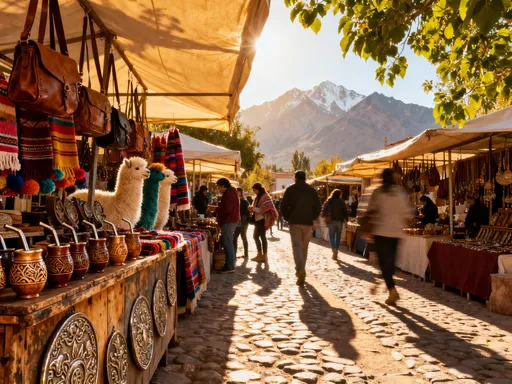
Hobart, the capital of Tasmania, offers a perfect introduction to the island’s architectural contrasts. At its heart lies Salamanca Place, a row of sandstone warehouses built in the early 1830s during the colonial whaling and trading boom. These Georgian-style buildings, with their thick walls and arched doorways, have been carefully preserved and now serve as galleries, cafes, and artisan markets. Every Saturday, the Salamanca Market draws locals and visitors alike, offering handmade jewelry, organic preserves, and hand-knit woolens—an ideal place to soak in the city’s creative spirit.
Just a short walk uphill from the waterfront stands a striking contrast: the Museum of Old and New Art, commonly known as MONA. Designed by local architect Fender Katsalidis and opened in 2011, MONA is carved into a sandstone bluff along the Derwent River. Its subterranean design—partly buried beneath the landscape—creates an almost otherworldly experience. There are no labels on the artworks; instead, visitors use a handheld device called the “O” to access information, allowing for a personal, introspective journey through ancient relics and provocative modern installations.
MONA challenges conventional museum design, much like Tasmania itself defies expectations. It’s not just an art space—it’s a cultural phenomenon that includes a boutique hotel, fine dining restaurant (Moorilla Estate), and an annual music festival, Dark Mofo, which draws international attention. While the festival’s winter solstice events are not for everyone, the museum itself is welcoming and thoughtfully curated, offering moments of beauty, surprise, and contemplation.
For visitors, timing is key. To avoid crowds at MONA, arrive early in the morning or mid-week. Tickets should be booked online in advance, especially during peak seasons. After your visit, unwind at one of the waterfront cafes—try Franklin Restaurant for locally sourced dishes or Petite Salamander for coffee and pastries. The walk back to Salamanca Place offers panoramic views of the harbor, where yachts bob beside historic ships, a quiet reminder of Hobart’s enduring maritime legacy.
Port Arthur Historic Site: Where Stone Walls Speak Volumes
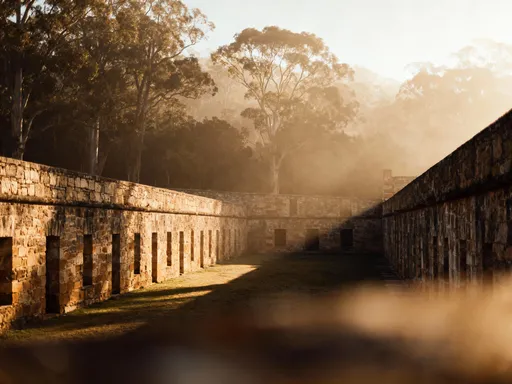
Located on the Tasman Peninsula about 90 minutes’ drive from Hobart, the Port Arthur Historic Site is one of Australia’s most significant heritage locations. Designated as a UNESCO World Heritage site as part of the Australian Convict Sites, Port Arthur operated as a penal settlement from 1830 to 1877. It housed thousands of convicts, many of whom had reoffended after arriving in mainland Australia. The site’s imposing stone structures—the penitentiary, church ruins, guard tower, and solitary confinement cells—stand as silent witnesses to a harsh chapter in history.
What sets Port Arthur apart is not just its scale, but its emotional depth. Walking through the prison complex, visitors often feel a palpable sense of isolation and discipline. The Separate Prison, designed to enforce silence and reflection, used a system of hoods and isolated cells to break the spirit of inmates. Today, audio guides narrate personal stories of convicts and guards, helping visitors understand the human dimension behind the stones. These narratives are respectful, factual, and deeply moving, making the experience suitable for thoughtful travelers seeking connection rather than spectacle.
Guided tours enhance the visit significantly. The afternoon walking tour, led by knowledgeable local historians, includes access to areas not covered in self-guided routes. The ghost tour, while more theatrical, is tastefully done and focuses on documented accounts rather than sensationalism—ideal for those who enjoy storytelling with a touch of mystery. For families or those sensitive to heavy themes, the site also offers lighter experiences, such as harbor cruises that highlight the natural beauty of the area.
Practical considerations matter. Wear comfortable shoes, as the site covers over 100 acres and involves walking on uneven surfaces. Sun protection is essential, as shade is limited. Allow at least three to four hours to explore fully. A café on-site serves hot meals and snacks, and the visitor center offers excellent resources, including books and documentaries. Most importantly, approach Port Arthur with quiet respect—it is both a tourist destination and a place of remembrance.
Cradle Mountain’s Rustic Charm: Cabins, Lodges, and Nature-Integrated Design
Journeying into the heart of Tasmania’s wilderness, Cradle Mountain-Lake St Clair National Park showcases a different kind of architecture—one that seeks harmony with nature rather than dominance over it. The lodges and visitor facilities here are designed to blend into the alpine environment, using natural materials like timber, stone, and schist. Peppers Cradle Mountain Lodge, nestled near the edge of the World Heritage-listed park, exemplifies this philosophy. Its cedar cabins are scattered along walking trails, each featuring large windows that frame views of jagged peaks and eucalyptus forests.
The design prioritizes warmth and comfort without compromising the surrounding ecosystem. Thick walls provide insulation against cold mountain nights, while fireplaces and electric blankets ensure a cozy stay. The main lodge building houses a restaurant serving seasonal Tasmanian fare—think slow-cooked lamb, roasted root vegetables, and honey from local beekeepers. It’s the kind of place where you can enjoy fine dining while listening to the wind rustle through the trees.
For day visitors, the Cradle Mountain Visitor Centre is an architectural highlight in itself. Built with sustainable materials and energy-efficient systems, it provides maps, weather updates, and safety briefings for hikers. The center’s design is low-profile, allowing the mountain to remain the focal point. Large glass panels offer uninterrupted views of Cradle Mountain’s iconic dolerite columns, especially breathtaking at sunrise when the rock glows golden.
Accessibility is improving, though some limitations remain. The main walking trails, like the Dove Lake Circuit, are well-maintained and suitable for moderate fitness levels. Boardwalks protect fragile vegetation, and clear signage helps prevent visitors from getting lost. However, winter conditions can make paths slippery, so sturdy footwear and caution are advised. Booking accommodations well in advance is essential, especially during the busy summer months. For a quieter experience, consider visiting in the shoulder seasons—autumn or spring—when the light is soft and the crowds are thin.
Launceston’s Hidden Heritage: Factories Turned Galleries, Churches with Character
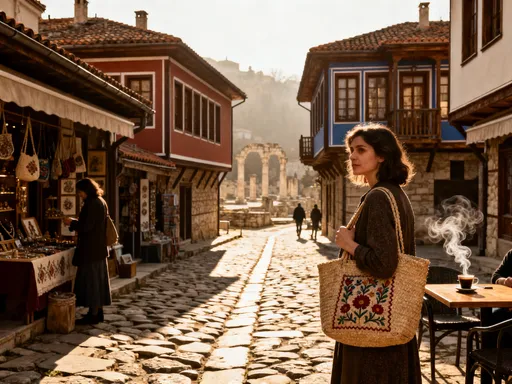
Launceston, Tasmania’s second-largest city, offers a quieter but equally rich architectural experience. Nestled between the Tamar River and the foothills of the North Yorks, the city blends Georgian, Victorian, and Edwardian influences with modern revitalization. Unlike more tourist-heavy destinations, Launceston rewards those who wander with curiosity. Its heritage trails—marked with bronze plaques embedded in footpaths—guide visitors through centuries of development, from early settlement to industrial growth.
One standout example of adaptive reuse is the Launceston Power Station, originally built in the 1910s to supply electricity to the growing city. After decades of disuse, it was transformed into a cultural hub housing art galleries, performance spaces, and creative studios. The building’s brick façade and towering chimney remain intact, paying homage to its industrial roots while serving a new civic purpose. Exhibitions here often feature local artists, including textile makers, ceramicists, and painters inspired by Tasmania’s landscapes.
Another architectural gem is St. John’s Church, an Anglican cathedral completed in 1833. With its sandstone walls, pointed arches, and tall spire, it is one of the oldest churches in Australia still in active use. The interior is serene, with timber pews, stained glass windows, and a hand-carved altar. Regular organ recitals and seasonal services create moments of quiet reflection, open to all regardless of faith. The surrounding churchyard, with its ancient trees and historic gravestones, offers a peaceful retreat in the middle of the city.
Launceston’s compact size makes it ideal for walking. Most landmarks are within a 20-minute stroll of each other, and public parking is readily available. For photography lovers, early morning light casts a soft glow on the stone buildings, especially along Charles Street and Cameron Street. Late spring and early autumn offer pleasant temperatures and blooming gardens. Don’t miss the Cataract Gorge, just a short walk from the city center—a dramatic sandstone ravine with walking trails, a suspension bridge, and a historic chairlift that offers panoramic views.
Off-the-Beaten-Path Structures: Lighthouses, Bridges, and Coastal Lookouts
Beyond the well-known destinations lie Tasmania’s quieter architectural treasures—remote lighthouses, elegant bridges, and cliffside lookouts that reward the patient traveler. These structures, often functional rather than ornamental, possess a quiet dignity shaped by isolation and necessity. Cape Sorell Lighthouse, on the island’s rugged west coast, is one such example. Built in 1899, it stands sentinel over stormy seas, its white tower a stark contrast to the dark rocks below. While the lighthouse itself is not open to the public, the coastal drive offers breathtaking views and frequent sightings of seabirds and seals.
The Tansy Creek Bridge, part of the old Zeehan Highway, is another hidden gem. This narrow, single-lane bridge spans a deep rainforest gully, its iron trusses rusted but still strong. Surrounded by moss-covered trees and the sound of rushing water, it feels like a portal to another time. The area is perfect for short walks and photography, though drivers should exercise caution due to limited visibility and occasional wildlife crossings.
Coastal lookouts like those at Cape Raoul or The Tinderbox provide panoramic views without the crowds of more famous sites. These vantage points, often reached by short hikes, offer sweeping vistas of dolerite cliffs, turquoise waters, and offshore islands. Benches and interpretive signs make them accessible and informative. They are ideal spots for quiet contemplation, journaling, or simply watching the waves crash below.
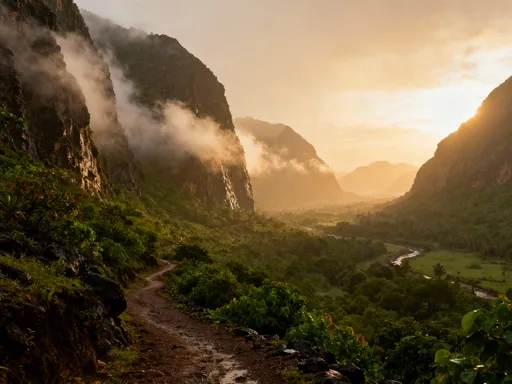
When visiting these remote areas, preparation is essential. Mobile phone coverage can be spotty, so download maps in advance. Carry water, snacks, and extra layers, as weather changes quickly on the coast. Stick to marked paths to protect fragile ecosystems. While these sites may require more effort to reach, their solitude and beauty make them some of the most memorable stops on a Tasmanian journey.
How to Plan Your Tasmania Landmark Journey: Timing, Transport, and Travel Hacks
Planning a trip to Tasmania’s architectural landmarks requires thoughtful timing and logistics. The island’s climate varies significantly by region and season. Summer (December to February) offers the longest days and mildest weather, ideal for hiking and sightseeing. However, it is also the busiest time, with higher accommodation prices and crowded attractions. For a more relaxed experience, consider visiting during the shoulder seasons—autumn (March to May) or spring (September to November). During these months, temperatures are comfortable, landscapes are vibrant, and tourist numbers are lower.
Transportation is another key factor. While domestic flights connect Hobart and Launceston with mainland Australia, getting around the island efficiently usually requires a rental car. Public transport exists but is limited, especially in rural and wilderness areas. A car allows flexibility to explore remote sites like Cape Sorell or Cradle Mountain at your own pace. When booking, opt for a vehicle with good ground clearance, particularly if you plan to drive on gravel roads or visit national parks.
A well-structured itinerary can maximize your experience. A suggested 5-day route could begin in Hobart, spending a full day exploring Salamanca Place and MONA. Day two could include a day trip to Port Arthur, with an overnight stay in the nearby town of Nubeena. Day three might involve flying or driving to Launceston, with time to visit the Power Station and St. John’s Church. Days four and five could be dedicated to Cradle Mountain, allowing for a full day of hiking and lodge relaxation.
Respectful tourism is essential. Many of Tasmania’s sites are fragile, historically significant, or ecologically sensitive. Always follow posted guidelines, stay on designated paths, and avoid touching historic structures. Support local businesses by dining at family-run cafes and purchasing crafts from Indigenous artisans. By traveling mindfully, you help preserve these landmarks for future generations.
Conclusion
Tasmania’s landmarks aren’t just places to photograph—they’re gateways to understanding isolation, resilience, and creative reinvention. By choosing thoughtfully and traveling mindfully, you don’t just see the island—you feel its pulse. From the solemn corridors of Port Arthur to the bold curves of MONA, from mountain lodges tucked into ancient forests to lighthouses standing against wild seas, each site tells a story worth hearing. For women who value depth, beauty, and authenticity in their travels, Tasmania offers a journey that nourishes the spirit and expands the heart. Let these hidden gems inspire your next adventure—one step, one stone, one moment at a time.