You Won’t Believe What’s Cooking in the Wild: Hidden Flavors of Serengeti
Imagine sipping spiced chai under acacia trees while the scent of grilled nyama choma fills the air—this is dining in the Serengeti, far beyond safari clichés. Most travelers miss the region’s culinary soul, hidden in local markets, campfire traditions, and Maasai kitchens. I ventured off the tourist trail and discovered a world where food tells stories of culture, land, and resilience. Let’s explore the authentic, underrated tastes that make this wilderness unforgettable.
Beyond the Safari Plate: Redefining Serengeti Dining
For decades, the image of safari dining has been shaped by colonial-era expectations: crisp white tablecloths under canvas tents, imported wines, and familiar dishes like grilled chicken or vegetable stir-fry served with rice. While these meals are comfortable and often delicious, they only scratch the surface of what the Serengeti truly offers. The region’s real culinary richness lies not in replicated Western fare but in the deep-rooted food traditions of Tanzania’s diverse communities. These traditions are shaped by centuries of living in harmony with one of the most dynamic ecosystems on Earth—a land where droughts, migrations, and seasonal shifts dictate what grows, what’s raised, and how it’s prepared.
The Serengeti is more than a wildlife sanctuary; it’s a living cultural landscape where food is intertwined with survival, celebration, and identity. Local diets rely on ingredients that thrive in the semi-arid savannah—hardy grains like millet and sorghum, drought-resistant legumes, and nutrient-rich leafy greens gathered from the wild. Meat, when available, is used with reverence, often reserved for special occasions or communal gatherings. This sustainable approach to eating reflects a profound understanding of balance—between people and nature, between need and abundance. Travelers who seek out these authentic foodways find that their journey becomes not just a visual spectacle but a full sensory immersion.
Thankfully, a quiet revolution is underway. More lodges, guides, and tour operators are recognizing that true luxury lies in authenticity. They are partnering with local farmers, incorporating traditional recipes into their menus, and inviting guests to experience meals that reflect the place they’re visiting. From spice-laden stews simmered over open fires to banana-based desserts sweetened with wild honey, the flavors of the Serengeti are complex, comforting, and deeply satisfying. The shift isn’t just about taste—it’s about respect, connection, and storytelling through food.
Maasai Traditions on the Plate: More Than Just Meat and Milk
The Maasai people, iconic stewards of the Serengeti plains, have long been misunderstood, especially when it comes to their diet. Often reduced to stereotypes of warriors living solely on raw blood and milk, their food culture is in fact rich, adaptive, and deeply symbolic. For generations, the Maasai have relied on their cattle not just for sustenance but as a source of spiritual and social strength. Their traditional meals reflect this sacred relationship, emphasizing nourishment, community, and resilience in an environment where resources are scarce.
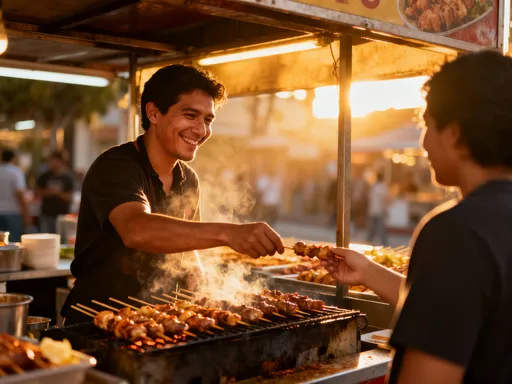
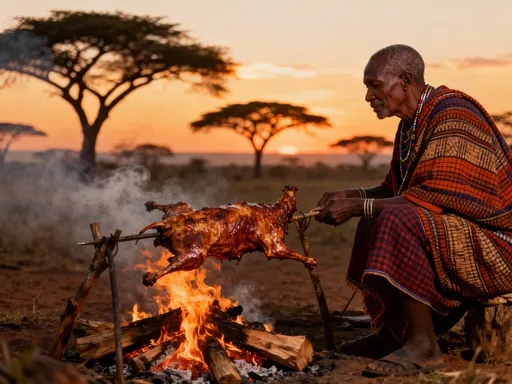
One of the most distinctive elements of Maasai cuisine is mursik, a fermented milk stored in specially treated gourds lined with charcoal from certain trees. The charcoal not only preserves the milk but imparts a subtle smoky flavor and helps neutralize harmful bacteria. This ancient preservation method showcases the Maasai’s deep knowledge of natural resources. Another staple is nyama, typically roasted goat or beef, cooked slowly over an open flame until tender and fragrant with wood smoke. While meat is prized, it’s not consumed daily; instead, it’s shared during ceremonies, rites of passage, or when welcoming guests—a gesture of honor and generosity.
Perhaps the most misunderstood aspect is the use of cow’s blood, traditionally drawn humanely from live animals without causing harm. Mixed with milk or drunk fresh, it’s consumed primarily during times of celebration or for its high iron content, especially by elders or those recovering from illness. Modern Maasai communities may blend these traditions with new influences, incorporating maize porridge or tea with sugar, but the core values of hospitality and sustainability remain intact.
Travelers can now experience these foods through culturally respectful village visits, often arranged by ethical tour operators. These interactions are not performances but genuine exchanges, where visitors are welcomed into homes, learn about daily life, and share meals made with pride. It’s important to approach such experiences with humility—dressing modestly, asking permission before taking photos, and showing appreciation through gratitude rather than tipping. When done right, these moments become some of the most memorable and meaningful of any Serengeti journey.
Hidden Markets and Village Eats: Where Locals Dine
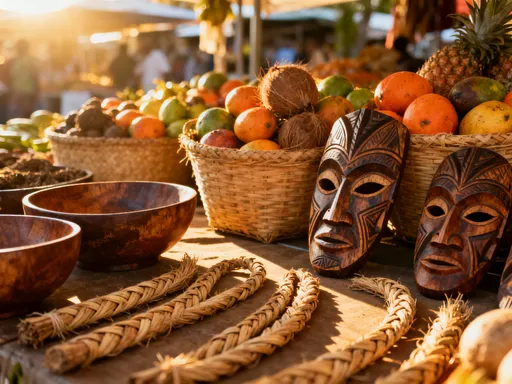
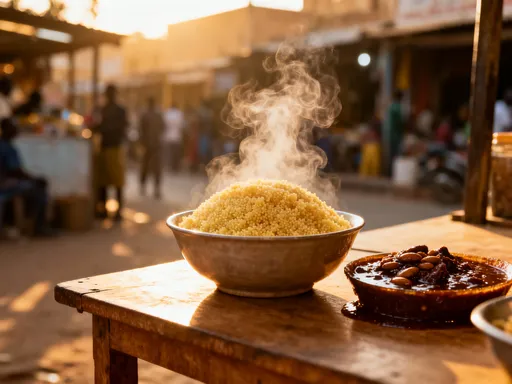
A short drive from the main safari routes, tucked beside dusty roads and near small rural settlements, lie the true heartbeats of Serengeti food culture: local markets. These bustling hubs come alive at dawn, filling with farmers, traders, and families stocking up on fresh produce, spices, and cooked meals. Unlike the curated gift shops near national park entrances, these markets offer unfiltered access to everyday life. Here, you won’t find mass-produced souvenirs—instead, baskets overflow with ripe plantains, mounds of red onions glisten in the morning sun, and women stir large pots of ugali and bean stew over charcoal stoves.
One of the most rewarding experiences is visiting a morning market in a village like Nyamongo or Bunda, where locals gather before heading to farms or markets further afield. The air hums with Swahili greetings and the sizzle of grilled maize. Vendors sell mahamri—coconut-fried dough similar to donuts—alongside boiled eggs and spiced lentils wrapped in banana leaves. For a few hundred Tanzanian shillings, travelers can enjoy a full, hot meal that tastes like home cooking at its best. These simple dishes, often overlooked by tourists, carry generations of culinary wisdom: balancing flavor, nutrition, and practicality.
Visiting these markets requires planning and respect. Most are accessible via 4x4 vehicles, and the best time to go is between 7:00 and 9:30 a.m., when vendors are most active. It’s advisable to go with a local guide who speaks Swahili and understands cultural norms. Dressing conservatively, carrying small cash denominations, and avoiding intrusive photography are essential for building trust. Some markets may have basic seating or shaded areas where you can sit and eat, turning the meal into a social experience. By supporting these local economies, even in small ways, travelers contribute directly to community livelihoods.
These village food scenes also reveal the agricultural backbone of the region. Farmers grow drought-tolerant crops like cassava, sweet potatoes, and finger millet, which form the base of many meals. Fresh milk, eggs, and honey are often sourced from nearby homesteads, ensuring peak freshness. The simplicity of the ingredients belies their depth of flavor—food cooked slowly, seasoned with care, and shared with intention. For families traveling with children, these markets offer a gentle introduction to cultural exchange, teaching kids about food origins, different ways of life, and the joy of trying something new.
Bush Breakfasts and Starlit Suppers: Gourmet Meets Wilderness
While village markets and Maasai kitchens offer raw authenticity, high-end safari lodges and mobile camps are redefining luxury by embracing local flavors. Gone are the days when gourmet meant French sauces and imported cheeses. Today’s best safari chefs draw inspiration from Tanzanian cuisine, crafting menus that honor the land while delivering exceptional taste and presentation. Imagine starting your day with a bush breakfast on a kopje overlooking the plains: freshly baked banana muffins made with local honey, scrambled eggs with tomatoes and green peppers, and chai brewed with cardamom and fresh ginger, all served on handmade ceramic plates as the sun rises over the savannah.
Evening meals are equally transformative. Some lodges host starlit dinners in clearings surrounded by acacia trees, where guests dine under a canopy of stars while listening to the distant call of hyenas. The menu might feature slow-roasted goat with a pili pili glaze, served alongside millet pilaf and sautéed spinach flavored with garlic and lemon. Dessert could be a warm banana fritter with coconut cream or a spiced mango sorbet made from fruit grown in the camp’s garden. These experiences blend elegance with earthiness, reminding diners that true luxury isn’t about excess—it’s about presence, connection, and flavor with meaning.
What sets these culinary experiences apart is their commitment to sustainability. Many camps source ingredients from nearby farms or grow their own produce in organic gardens. Water is carefully conserved, and waste is minimized through composting and recycling. Staff often come from surrounding communities, bringing personal knowledge of traditional recipes and cooking techniques. A cook might share how her grandmother made viazi karai (spiced fried potatoes) or how to properly ferment maize for a sourdough-like bread. These stories, shared over dinner, deepen the emotional resonance of the meal.
For families, these gourmet yet grounded meals offer a safe and enriching way to explore new flavors. Children can participate in cooking demonstrations, learn how to grind spices, or help harvest vegetables from the garden. The atmosphere is warm and welcoming, never formal, allowing guests to relax and savor each moment. These aren’t just meals—they’re celebrations of place, people, and the joy of eating well in the wild.
The Spice of the Savannah: Understanding Local Ingredients
To truly appreciate Serengeti cuisine, one must understand its ingredients—the foundation of every dish, every tradition, every memory made around a fire. The region’s flavor profile is shaped by its climate, soil, and biodiversity. Unlike lush tropical zones, the savannah rewards resilience. Crops must withstand long dry seasons, intense sun, and nutrient-poor soils. As a result, the foods that thrive here are not only hardy but deeply nutritious and full of character.
Take pili pili, the small but fiery chili pepper used across East Africa. In the Serengeti, it’s often dried and ground into a red powder, then blended with salt and lemon to create a table condiment known as peri-peri. A pinch can transform a simple stew, adding heat and depth. Other common seasonings include cumin, coriander, and turmeric, often toasted and ground fresh to release their aromas. Fresh herbs like cilantro and parsley are used generously, while wild greens such as mchicha (African nightshade) are boiled or sautéed with onions and tomatoes for a nutrient-dense side dish.
Staples like plantains and bananas play a central role. Unlike dessert bananas, the starchy varieties—known as ndizi—are boiled, roasted, or fried to accompany savory dishes. In some areas, they’re mashed into a dough-like consistency and served with meat or beans. Millet and sorghum, ancient grains with high protein content, are ground into flour and cooked into porridge or flatbreads. These grains digest slowly, providing sustained energy—essential for farmers and herders working long hours under the sun.
Meat, when consumed, often comes from goats, chickens, or sheep raised locally. Game meat is strictly regulated and only available through conservation programs that support anti-poaching efforts and community land management. This ethical sourcing ensures that wildlife populations remain stable while allowing for cultural practices to continue. Even the way meat is cooked—slow-roasted over wood fires, marinated with citrus and spices—reflects generations of adaptation. Each ingredient, each method, tells a story of survival, ingenuity, and respect for the land.
How to Taste the Real Serengeti: A Traveler’s Guide
Experiencing the authentic flavors of the Serengeti doesn’t require abandoning comfort or safety—it simply asks for curiosity, preparation, and intention. The first step is choosing the right tour operator. Look for companies that prioritize cultural immersion, work with local guides, and include food experiences in their itineraries. Ask questions: Do they visit local markets? Can guests participate in a cooking demonstration? Are meals prepared using regional ingredients? Reputable operators will be transparent and enthusiastic about sharing these details.
Once on the ground, be open to trying new things—but do so wisely. Street food and village meals are generally safe if they are freshly cooked and served hot. Avoid raw vegetables unless they’ve been properly washed, and always drink bottled or filtered water. If you have dietary restrictions, communicate them clearly to your guide or camp staff; most are happy to accommodate allergies or preferences with advance notice. Don’t hesitate to ask what’s in a dish—many locals are proud to explain their food and appreciate your interest.
Timing matters, too. The best food experiences often happen early in the morning or late in the evening, when temperatures are cooler and communities are most active. Plan market visits for weekdays, when selection is fullest, and consider scheduling cultural dinners at lodges during your stay. Bring a small notebook to jot down recipes or ingredient names—you might want to recreate a favorite dish at home. And always carry a reusable water bottle and hand sanitizer to stay hydrated and hygienic.
Perhaps most importantly, approach every meal as an opportunity to connect. Smile, say asante (thank you), and show genuine interest. Share a meal with your guide, ask about their childhood favorites, or compliment the cook. These small gestures build bridges and enrich your journey. The goal isn’t to consume as much as possible, but to savor meaningfully—knowing that each bite supports local families and preserves traditions worth protecting.
Flavors That Stay With You: Why Food Deepens the Journey
In the end, the most powerful souvenirs from the Serengeti aren’t found in gift shops—they’re carried in memory, awakened by scent and taste. The warmth of chai sipped at dawn, the smoky richness of grilled meat shared under stars, the tang of fermented milk tasted in a Maasai home—these moments linger long after the photos fade. Food has a unique power to anchor travel in emotion, transforming fleeting observations into lasting understanding.
When we eat like locals, we step beyond the role of observer and become participants. We honor traditions, support livelihoods, and gain insight into ways of life shaped by land and history. A simple meal becomes a conversation, a connection, a bridge between worlds. For mothers, wives, and caregivers—many of whom plan family trips with love and attention to detail—these experiences offer a rare chance to nourish not just their families, but themselves.
The Serengeti’s true magic lies not only in its sweeping plains and great migrations but in its quiet, everyday moments of human resilience and joy. By seeking out its hidden flavors, travelers do more than satisfy their palates—they deepen their empathy, broaden their perspective, and return home with stories worth sharing. So on your next journey, go beyond the game drive. Follow the scent of spices on the wind. Sit down, share a meal, and let the real Serengeti reveal itself—one unforgettable bite at a time.