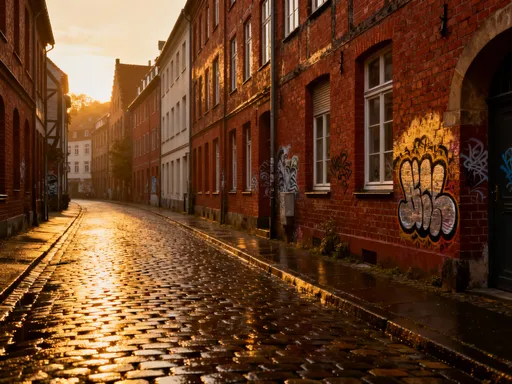
Sydney’s Urban Playground: Where Shopping Meets City Soul
Ever wondered how a city can make shopping feel like an adventure? In Sydney, every stroll through its urban spaces blends style, culture, and surprise. From sleek malls to lively markets tucked into hidden corners, the city doesn’t just sell products—it tells stories. This is more than retail therapy; it’s a sensory journey shaped by design, light, and local life. Let me take you in.
The Pulse of Sydney’s Shopping Culture
Sydney’s shopping culture pulses with a rhythm that mirrors the city itself—dynamic yet relaxed, cosmopolitan yet grounded in coastal ease. Unlike cities where retail feels transactional or overwhelming, Sydney integrates shopping into the fabric of everyday life. Whether it’s a morning coffee stop at a boutique kiosk in Surry Hills or browsing handcrafted ceramics at a weekend market in Woollahra, shopping here is woven into moments of connection and discovery. The city’s consumer culture thrives not on excess, but on experience—on the warmth of a vendor’s greeting, the texture of locally woven fabric, or the scent of fresh spices in a bustling laneway.
What sets Sydney apart is how urban design supports this organic engagement. Public plazas, tree-lined promenades, and open-air arcades are not just decorative—they are functional extensions of the shopping experience. These spaces encourage lingering, conversation, and unplanned encounters. A woman walking with her daughter might pause at a pop-up flower stand near Town Hall, drawn in by color and fragrance. A retired couple may spend an hour browsing vintage books under shaded awnings at The Rocks. These moments are not incidental; they are the result of thoughtful planning that prioritizes human scale over commercial speed.
The city’s identity—shaped by its harbor, multicultural communities, and love of outdoor living—shapes its retail soul. Shopping districts reflect this diversity: from the elegant boutiques of Double Bay to the eclectic streetwear shops of Newtown, each neighborhood offers a distinct flavor. This variety ensures that shopping in Sydney is never monotonous. It’s a journey through layers of culture, history, and personal expression. Retail here is not just about acquiring things—it’s about participating in the life of the city, one thoughtful purchase or spontaneous stop at a time.
From Queen Victoria Building to Westfield: Icons of Urban Design
No exploration of Sydney’s retail landscape is complete without a visit to the Queen Victoria Building, affectionately known as the QVB. Completed in 1898 and meticulously restored in the late 20th century, this Romanesque Revival masterpiece stands as a testament to how heritage and commerce can coexist in harmony. With its soaring stained-glass dome, intricate ironwork, and marble staircases, the QVB feels less like a shopping center and more like a cathedral dedicated to craftsmanship and beauty. Visitors often find themselves pausing not to buy, but simply to look up—captivated by the play of light through the central glass dome at noon, casting kaleidoscopic patterns on the tiled floor below.
The QVB’s success lies in its ability to honor the past while embracing the present. Its boutiques feature a curated mix of Australian designers, luxury brands, and artisanal goods, offering a shopping experience that feels both refined and authentic. The building’s circular layout encourages wandering, with each level unfolding like a new chapter in a visual story. Unlike linear malls designed for efficiency, the QVB invites leisurely exploration. Shoppers are not rushed; they are invited to savor the architecture, the craftsmanship, and the quiet elegance of a space that values atmosphere as much as availability.
In contrast, Westfield Sydney in the heart of Pitt Street Mall represents the modern face of urban retail. Spanning multiple levels and connected seamlessly to Town Hall Station, this complex is engineered for flow, comfort, and convenience. Its design prioritizes accessibility—wide corridors, clear signage, and intuitive wayfinding ensure that even first-time visitors can navigate with ease. Natural light filters through skylights, while ambient lighting adjusts throughout the day to maintain a welcoming glow. The integration of food halls, seating areas, and digital kiosks reflects a deep understanding of how people actually use retail spaces—not just to shop, but to rest, recharge, and reconnect.
What both the QVB and Westfield share, despite their differences, is a commitment to human-centered design. They recognize that shopping is not merely a task to be completed, but an experience to be shaped. Whether through the grandeur of heritage architecture or the efficiency of contemporary infrastructure, these landmarks elevate retail into something meaningful. They are not just places to spend money—they are destinations that enrich the city’s soul.
Hidden Markets and Street-Level Charms
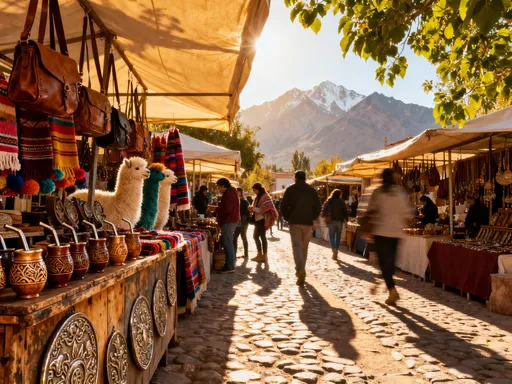
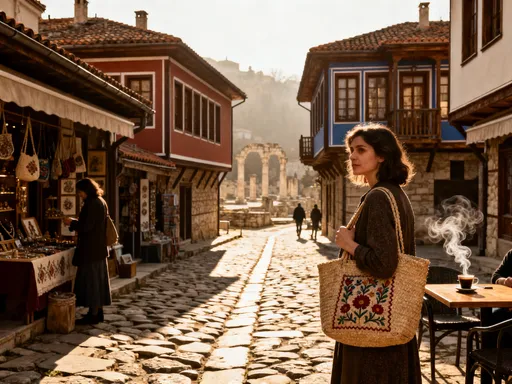
Beyond the polished facades of major malls, Sydney’s true retail magic often unfolds at street level, where markets breathe authenticity into the urban landscape. The Rocks Market, held every weekend beneath the shadow of the Sydney Harbour Bridge, is a prime example. Here, cobblestone lanes come alive with the sounds of live music, the sizzle of gourmet street food, and the chatter of artisans displaying handmade jewelry, leather goods, and botanical soaps. Each stall tells a story—of a potter from the Blue Mountains, a jeweler inspired by Aboriginal patterns, or a baker using family recipes passed down through generations.
These grassroots markets offer something that even the most luxurious boutiques cannot replicate: intimacy. In a world increasingly dominated by digital transactions and mass production, places like The Rocks Market restore a sense of connection. Shoppers don’t just hand over money; they engage in conversation, learn about the making process, and often leave with not just a product, but a memory. For many women in their 30s to 50s—mothers, professionals, creatives—this kind of experience resonates deeply. It’s shopping with intention, with heart, and with a sense of discovery.
Paddington Markets, held every Saturday in the historic drill hall of Paddington Barracks, offer a similar charm with a distinct bohemian flair. Known for fashion-forward independent designers, the market is a favorite among those seeking unique clothing, accessories, and homewares. The surrounding streets of Paddington, lined with Victorian terraces and boutique shops, extend the experience beyond the market itself. A visitor might start with coffee at a corner café, browse linen dresses at a local designer’s stall, then end the day with a glass of wine at a nearby garden bar. This seamless blend of shopping, dining, and leisure reflects Sydney’s broader philosophy: that urban life should be pleasurable, not hurried.
Pop-up markets in laneways—from Oyster Bay in Surry Hills to Night Noodle Markets in Barangaroo—further enrich the city’s retail tapestry. These temporary installations bring surprise and seasonality to the streetscape, offering everything from dumplings to handmade candles in unexpected places. They demonstrate how compact urban spaces, often overlooked in traditional planning, can become vibrant hubs of community and commerce. For residents and visitors alike, these hidden gems make Sydney feel endlessly explorable—a city that rewards curiosity and rewards those who wander off the main path.
Walkability and the Seamless City Experience
One of Sydney’s greatest strengths as a shopping destination is its walkability. The city’s core is compact, interconnected, and designed with pedestrians in mind. Pitt Street Mall, closed to vehicular traffic since the 1970s, exemplifies this principle. Lined with international brands, Australian retailers, and food kiosks, the mall serves as both a shopping corridor and a social artery. Benches, trees, and public art installations provide moments of pause, while clear signage and accessible pathways ensure that everyone—from tourists with strollers to older adults with mobility aids—can navigate comfortably.
The connection between shopping and transit is seamless. Town Hall Station, one of the busiest in the network, opens directly onto Pitt Street Mall, allowing commuters to transition effortlessly from train to storefront. Circular Quay, another major transport hub, links ferry, train, and bus services with the retail offerings of The Rocks and Campbell Street. This integration means that shopping is never an isolated activity—it’s part of a broader urban journey. A woman arriving by ferry from Manly might spend the afternoon exploring boutiques before catching a train home, all without needing a car.
Urban planning details make a significant difference in the quality of the experience. Wide sidewalks accommodate foot traffic, especially during peak hours. Shaded walkways and awnings provide relief from summer sun, while public rest areas with seating encourage longer stays. Thoughtful lighting ensures safety and visibility at night, making evening strolls not only possible but inviting. These elements may seem minor in isolation, but together they create an environment where exploration feels natural, safe, and enjoyable.
The result is a city where shopping is not a chore, but an extension of daily life. Whether running errands, meeting a friend for coffee, or simply taking a walk, Sydneysiders find themselves engaged with retail spaces in organic ways. This seamless integration enhances not only convenience but also the emotional connection people feel to their city. It’s a model of urban living that prioritizes accessibility, comfort, and human connection—values that resonate deeply with women who value balance, practicality, and beauty in their everyday routines.
Green Spaces Interwoven with Commerce
In a city known for its harbor views and coastal lifestyle, green spaces play a vital role in shaping the shopping experience. Hyde Park, Sydney’s oldest public park, stands as a lush sanctuary in the heart of the central business district. Flanked by Elizabeth Street and bordered by St Mary’s Cathedral, the park offers a striking contrast to the surrounding skyscrapers. Its tree-lined avenues, ornamental fountains, and open lawns provide a place to pause, breathe, and reset—qualities that enhance the rhythm of urban shopping.
Shoppers emerging from the boutiques of the Strand Arcade or the flagship stores on George Street often find themselves drawn into Hyde Park, if only for a few minutes. A mother with young children might let them play near the ANZAC War Memorial pool, while a professional on her lunch break sits beneath a fig tree with a takeaway salad. These moments of calm are not incidental—they are intentional. Urban planners have long recognized that access to nature improves well-being, reduces stress, and encourages longer stays in commercial areas. When people feel refreshed, they are more likely to engage, explore, and spend.
Barangaroo Reserve, a reclaimed waterfront site transformed into a native garden, offers a more contemporary example of green integration. Once an industrial port, the area now features walking trails, tidal pools, and indigenous plantings that reconnect the city with its natural heritage. Adjacent to the Reserve, the Barangaroo commercial district blends high-end retail with public spaces designed for relaxation and reflection. A woman walking from a meeting in a modern office tower might descend into the Reserve, following a path lined with waratahs and banksias, before stopping at a café with harbor views. This interplay between commerce and nature creates a sense of balance—between productivity and peace, between consumption and contemplation.
The presence of green spaces also reflects a deeper commitment to sustainable urban living. By preserving and enhancing natural areas within the city, Sydney demonstrates that economic vitality and environmental stewardship can go hand in hand. These spaces are not just decorative; they are functional, contributing to air quality, temperature regulation, and biodiversity. For women who care about the long-term health of their communities, this integration of nature into city life is both reassuring and inspiring. It shows that a modern metropolis can thrive without sacrificing its soul.
Nightscapes and Extended Urban Rhythms
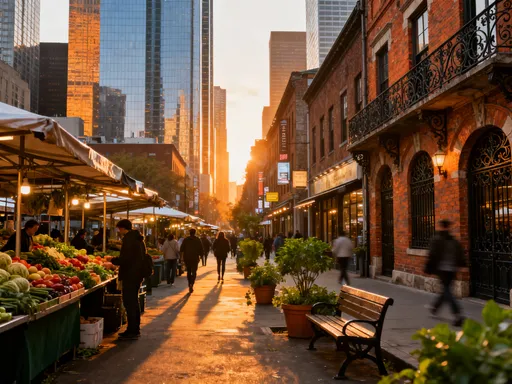
As the sun sets, Sydney’s shopping districts undergo a subtle transformation. The pace slows, the light softens, and a new rhythm emerges. In places like Darling Harbour, the evening brings a different kind of energy—one that blends leisure, dining, and retail into a cohesive nighttime experience. Illuminated walkways, glowing signage, and ambient lighting create a safe and inviting atmosphere. Families stroll along the waterfront, couples dine at al fresco restaurants, and solo visitors browse gift shops or attend pop-up markets under strings of fairy lights.
Evening markets, such as the Chinese Garden Night Market or the Christmas-themed markets at Customs House, add seasonal charm and extended accessibility. These events draw crowds not just for shopping, but for the experience of being out in the city after dark. Vendors sell handmade ornaments, gourmet treats, and festive décor, while live performers add music and warmth to the night air. For many women, particularly those with busy daytime schedules, these evening options provide a rare opportunity to enjoy the city at a relaxed pace—without the midday heat or weekend crowds.
Bondi Junction, a major retail and transport hub in Sydney’s eastern suburbs, also extends its vibrancy into the night. While the Westfield shopping center closes in the early evening, surrounding restaurants, cafes, and boutique fitness studios keep the area active. Well-lit streets, visible security personnel, and frequent public transport options ensure that women feel safe walking alone or with friends after hours. This sense of security is not taken for granted—it is the result of deliberate urban design choices that prioritize visibility, connectivity, and community presence.
The extension of urban rhythms into the night reflects a broader shift in how cities are used. Shopping is no longer confined to business hours; it is part of a 24-hour cycle of living, working, and socializing. By supporting after-hours activity, Sydney creates a more inclusive and dynamic environment—one that accommodates different lifestyles, schedules, and preferences. For women who value flexibility and safety, this evolution is both practical and empowering.
Designing the Future: Sustainability and Inclusivity in Retail Spaces
Looking ahead, Sydney’s retail spaces are evolving to meet the demands of a changing world. Sustainability and inclusivity have become central themes in urban development. New projects emphasize adaptive reuse—transforming old warehouses, schools, and industrial sites into vibrant retail and community hubs. The White Bay Power Station redevelopment in Rozelle, for example, aims to preserve heritage structures while introducing eco-friendly design elements such as solar panels, rainwater harvesting, and energy-efficient lighting. These efforts reflect a growing awareness that cities must balance growth with environmental responsibility.
Eco-conscious materials are increasingly visible in both construction and retail offerings. Stores are incorporating reclaimed wood, recycled metal, and low-VOC paints into their interiors. Fashion boutiques are featuring sustainable brands that use organic cotton, ethical labor practices, and circular design principles. Even markets are adopting greener practices—encouraging vendors to use compostable packaging and reducing single-use plastics. These changes may seem small, but they signal a shift in values—one that resonates deeply with women who care about the planet and future generations.
Inclusivity is equally important. Modern retail spaces are being designed with universal access in mind—wider doorways, tactile paving, gender-neutral restrooms, and quiet zones for neurodiverse visitors. Digital tools, such as multilingual apps and audio guides, help ensure that people from diverse backgrounds can navigate and enjoy the city. These efforts go beyond compliance; they reflect a genuine commitment to welcoming everyone. For women who value empathy, fairness, and community, this inclusive vision of urban life is both meaningful and necessary.
The future of shopping in Sydney is not about bigger malls or more brands—it’s about better experiences. It’s about creating spaces that serve people, not just consumers. Spaces that are beautiful, sustainable, and accessible to all. As the city continues to grow, it has the opportunity to lead not just in retail, but in redefining what urban life can be.
Conclusion: Shopping as Urban Connection
Sydney’s shopping spaces are more than places to buy things—they are stages for connection, expression, and discovery. They reflect the city’s soul: vibrant, diverse, and deeply human. From the grandeur of the QVB to the intimacy of a laneway market, from the green calm of Hyde Park to the evening glow of Darling Harbour, every corner tells a story. These spaces invite us not just to shop, but to see, to feel, to belong.
For women who navigate the rhythms of family, work, and self-care, Sydney offers a model of urban life that honors both practicality and beauty. It reminds us that cities can be designed not just for efficiency, but for joy. That retail can be more than transactions—it can be moments of meaning. As you walk its streets, pause, look around, and let yourself be present. Notice the details: the curve of a wrought-iron railing, the scent of fresh bread, the laughter at a market stall. These are the threads that weave the fabric of the city.
So go ahead—wander without a map. Let curiosity guide you. Let the city surprise you. Because in Sydney, every shopping trip is also a journey into the heart of what makes urban life worth living. Let the streets speak to you. Listen closely. And discover the soul of the city, one step at a time.