You Won’t Believe These Hidden Corners of Cartagena – A Must-See Journey
Nestled along Colombia’s Caribbean coast, Cartagena is more than colonial charm and Instagrammable streets. Beyond the postcard-perfect walls lies a city pulsing with life, color, and secret spots only locals once knew. As travelers seek authentic, theme-driven experiences, Cartagena’s distinct neighborhoods offer something rare: culture, beauty, and soul. Each area unfolds like a chapter in a vibrant novel, rich with history, rhythm, and local flavor. This is not a city to be rushed, but one to be savored—street by street, plaza by plaza. I’ll take you through the city’s most captivating zones—each with its own vibe, flavor, and story—perfect for travelers who want to go deeper than the typical tourist trail.
The Magic of Cartagena’s Themed Zones
Cartagena’s allure lies not just in its beauty, but in its layered identity. The city is naturally divided into themed zones, each with a distinct personality shaped by history, architecture, and local life. This unique urban design allows visitors to curate their experience like chapters in a travel story—romance in the Old Town, creativity in Getsemaní, oceanfront ease in Bocagrande, and authenticity in Crespo and Manga. Unlike destinations where everything blends together, Cartagena offers clear transitions between areas, making exploration both intuitive and enriching.
Choosing to experience these zones thematically enhances the depth of your journey. Instead of seeing sights randomly, you immerse yourself in a mood—whether it’s the colonial elegance of walled streets or the bohemian buzz of street art and live music. This approach fosters deeper connections with the culture, as you move beyond observation to participation. You begin to notice rhythms—the morning ritual of café con leche on a balcony, the evening stroll along the seawall, the sudden burst of salsa from an open window.
What makes this zoning so effective is its organic development. These neighborhoods weren’t designed for tourism; they evolved from centuries of social, economic, and geographic forces. The Old Town was built for defense and prestige, Bocagrande emerged as a modern response to beach tourism, and Getsemaní grew from a working-class enclave into a cultural hotspot. Today, visitors benefit from this diversity, able to choose accommodations and activities that match their travel style—whether seeking luxury, authenticity, adventure, or relaxation. By understanding the character of each zone, travelers make more intentional choices, leading to richer, more meaningful experiences.
Old Town (Ciudad Amurallada): Where Time Stands Still
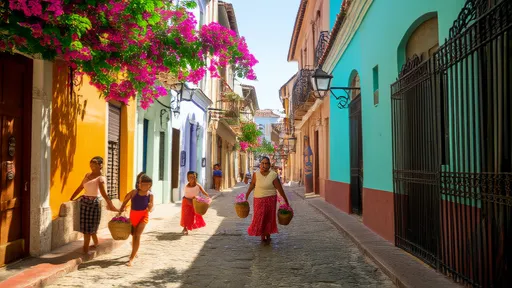
Encircled by massive stone fortifications dating back to the 16th century, the Old Town—known locally as Ciudad Amurallada—is Cartagena’s beating heart. Stepping through its gates feels like entering another era, where time slows and every corner tells a story. Cobblestone streets wind beneath arching bougainvillea, their fuchsia blooms spilling over wrought-iron balconies. Colonial mansions with carved wooden doors stand beside centuries-old churches, their facades softened by tropical humidity and history.
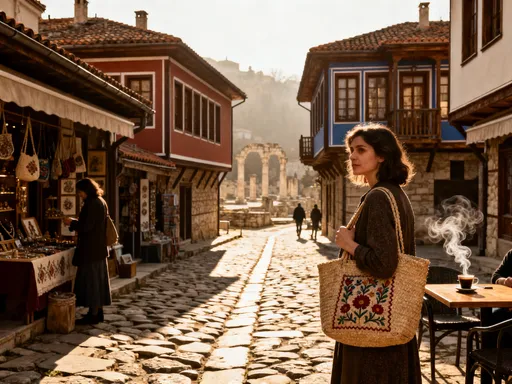
Plazas serve as the neighborhood’s living rooms. Plaza Santo Domingo, shaded by a giant ceiba tree, buzzes with artists, musicians, and tourists sipping fruit juices. Nearby, the imposing Palace of the Inquisition, now a museum, offers a sobering look at colonial history, while the pink-hued Church of San Pedro Claver honors the saint known for his compassion toward enslaved Africans. These landmarks are not mere backdrops—they are active parts of daily life, where locals gather, children play, and traditions endure.
The Old Town is ideal for first-time visitors and those drawn to romance, history, and charm. Its compact size makes it highly walkable, and staying within the walls means you’re never far from a café, boutique, or scenic overlook. As dusk falls, candlelit courtyards and rooftop terraces come alive, offering intimate settings for dinner or quiet reflection. While prices here are higher than in other zones, the atmosphere is unmatched. For travelers who value beauty, safety, and convenience, the Old Town delivers an unforgettable base.
Yet, it’s important to experience this zone beyond its aesthetics. Engage with local artisans selling handmade jewelry, attend a classical music concert in a restored chapel, or join a guided walking tour led by a resident historian. These moments transform a picturesque visit into a meaningful connection with Cartagena’s soul.
Getsemaní: The Hip, Beating Heart of Street Culture
Just south of the Old Town’s walls, across the Puente de la Ciudadela, lies Getsemaní—a neighborhood that has transformed from a neglected area into one of Cartagena’s most dynamic cultural hubs. Once known for its rough edges, it is now celebrated for its vibrant street art, grassroots creativity, and youthful energy. Walking through Getsemaní feels like stepping into an open-air gallery, where every wall tells a story through bold murals depicting social themes, Afro-Caribbean heritage, and local heroes.
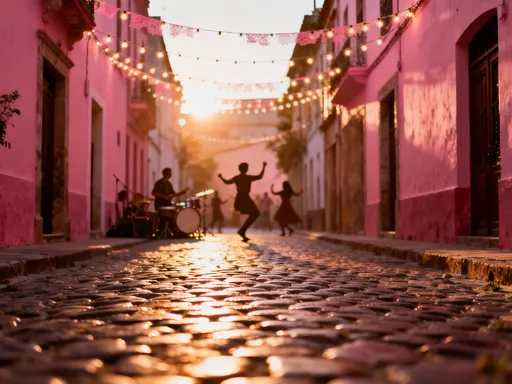
The neighborhood’s revival began in the early 2000s, driven by artists, musicians, and activists who saw potential in its colonial bones and strong community spirit. Today, it attracts backpackers, digital nomads, and culturally curious travelers seeking authenticity. At sunset, the streets come alive with the sizzle of street food—think empanadas de pipián, grilled arepas, and fresh coconut water served in the shell. Small bars and rooftop lounges spill music into the night, from reggaeton to live salsa bands playing in hidden courtyards.
One of Getsemaní’s greatest strengths is its walkability and social atmosphere. Calle de la Sierpe, once infamous, is now a safe and lively pedestrian street lined with hostels, cafés, and craft beer bars. Travelers can easily connect with fellow visitors or join free walking tours led by locals eager to share their neighborhood’s transformation. Safety has improved significantly, especially in the main thoroughfares, though it’s still wise to stay aware after dark and avoid poorly lit side streets.
For those on a budget, Getsemaní offers excellent value. Accommodations range from social hostels to charming guesthouses, often housed in restored colonial homes with shared terraces and hammocks. Dining is affordable and delicious, with family-run eateries serving hearty portions of traditional dishes. Whether you’re sipping a tropical cocktail on a rooftop or dancing with locals at a backyard party, Getsemaní offers a raw, joyful energy that’s hard to find elsewhere in the city.
Bocagrande: Oceanfront Glamour with a Modern Pulse
Stretching along a narrow peninsula, Bocagrande is Cartagena’s modern face—a skyline of high-rise hotels and condominiums facing the Caribbean Sea. Unlike the historic intimacy of the Old Town, Bocagrande offers a different kind of appeal: wide beaches, ocean breezes, and a relaxed, resort-like atmosphere. The long malecón (seawall promenade) is perfect for morning jogs, sunset walks, or simply sitting with a book as waves crash below.
This zone is ideal for travelers who prioritize beach access and comfort. Many hotels here feature pools, spas, and on-site restaurants, making it easy to unwind without venturing far. The beach, while not as pristine as the Rosario Islands, is swimmable and active, with vendors offering chairs, umbrellas, and fresh fruit. Families, couples, and solo travelers seeking a more laid-back rhythm often prefer Bocagrande for its space and modern amenities.
Yet, Bocagrande is not without its trade-offs. The area lacks the historic charm of the Old Town, and the beachfront can feel commercialized, with frequent offers for boat tours, massages, and souvenirs. Some sections of the sand are rocky or affected by tides, so swimming conditions vary. Travelers should also be cautious about food hygiene at informal beach stalls, opting instead for established restaurants or hotel dining.
What Bocagrande does offer is excellent connectivity. It’s just a 15-minute taxi ride from the Old Town and close to the airport, making it a practical base for those with early flights or day trips planned. The zone also has supermarkets, pharmacies, and ATMs, adding to its convenience. For travelers who want a blend of city access and coastal calm, Bocagrande strikes a thoughtful balance—especially when paired with daily explorations of Cartagena’s historic core.
Crespo & Manga: Local Life Beyond the Postcards
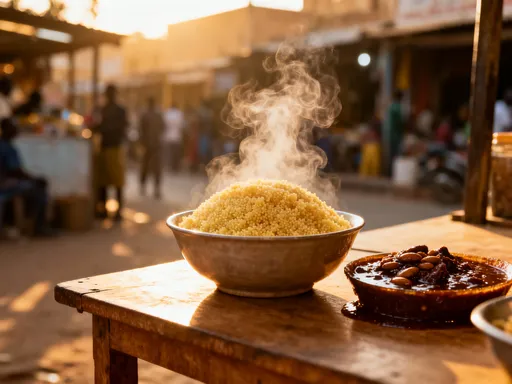
A short walk from the tourist epicenter, the neighborhoods of Crespo and Manga offer a quieter, more residential side of Cartagena. Here, life unfolds at a gentler pace. Women sell arepas from their doorsteps, elders play dominoes under shade trees, and schoolchildren in uniforms wave as they pass. These areas are not designed for tourism, yet they reward curious visitors with authenticity, affordability, and peaceful streets.
Manga, in particular, is known for its well-preserved colonial homes, many painted in soft pastels with wooden shutters and iron grilles. The neighborhood has a dignified, lived-in elegance—no crowds, no souvenir shops, just daily life in progress. Crespo, adjacent and slightly more modest, offers a similar rhythm with corner bakeries, small markets, and neighborhood churches that host weekly events. Both zones are safe and welcoming, especially during daylight hours.
Staying in Crespo or Manga can be a smart choice for travelers seeking value and cultural immersion. Accommodations include boutique guesthouses and private rentals, often at lower prices than the Old Town or Bocagrande. Eating out is equally affordable, with local fondas (eateries) serving generous plates of rice, beans, fried plantains, and fresh fish for a fraction of tourist-zone prices.
Exploring these neighborhoods on foot reveals hidden courtyards, quiet plazas, and unexpected architectural details. It’s not uncommon to be invited for a cup of coffee by a friendly resident or to stumble upon a local festival with music and dancing. While English is less commonly spoken here, a few phrases in Spanish go a long way in building connections. For travelers who want to move beyond the postcard and experience Cartagena as locals do, Crespo and Manga offer a heartfelt alternative.
Islas del Rosario: A Day-Trip Escape to Paradise
Approximately 100 kilometers offshore, the Islas del Rosario form a breathtaking archipelago of coral islands and crystal-clear waters. A day trip here is more than a beach visit—it’s a journey into one of the Caribbean’s most ecologically rich environments. The islands are part of a national park, established to protect their fragile coral reefs and marine biodiversity. Snorkeling reveals a world of colorful fish, sea turtles, and intricate coral formations, making it a must for nature lovers and underwater enthusiasts.
Most visitors reach the islands via boat from Cartagena’s marina, with journey times ranging from 45 minutes to over an hour, depending on the departure point and vessel. Several tour operators offer eco-conscious options, including glass-bottom boats, guided snorkeling tours, and visits to the aquarium on Isla del Rosario. To avoid overcrowding, consider booking a smaller group tour or a private charter, which often includes lunch and more time at secluded spots.
While the main island has restaurants, restrooms, and shaded areas, facilities are basic. Travelers should bring sunscreen (reef-safe), water, snacks, and a hat. Swimming is generally safe, but currents can be strong in certain areas, so it’s best to follow guide instructions. The islands are not suitable for overnight stays by the general public, though a luxury resort on Isla Grande offers exclusive accommodations.
The beauty of the Rosario Islands lies in their simplicity. There are no shops, no traffic, no distractions—just the sound of waves and the warmth of the sun. It’s a place to disconnect, breathe deeply, and appreciate the natural world. For families, couples, or solo travelers seeking serenity, this day trip provides a perfect counterbalance to the energy of the city. By choosing responsible operators and respecting the environment, visitors help preserve this paradise for future generations.
Choosing Your Zone: Matching Areas to Your Travel Style
With so many distinct neighborhoods, selecting the right base in Cartagena can shape your entire experience. The key is aligning your priorities with the character of each zone. Are you drawn to romance and history? The Old Town offers timeless charm and walkable elegance. Seeking adventure and social connections? Getsemaní delivers energy, nightlife, and cultural authenticity. Want beach access and modern comfort? Bocagrande provides convenience and oceanfront relaxation. Looking for affordability and local immersion? Crespo and Manga offer quiet streets and real-life encounters.
Safety is a common concern, but all these areas are generally safe for tourists, especially in well-trafficked zones during daylight. The Old Town and Bocagrande are often preferred by first-time visitors and families due to their established infrastructure and tourist services. Getsemaní, while vibrant, requires a bit more awareness at night. Crespo and Manga are safe but less serviced, ideal for travelers comfortable navigating local environments.
Walkability varies across zones. The Old Town and Getsemaní are best explored on foot, while Bocagrande may require taxis or bike rentals for longer distances. Food options range from high-end dining in the Old Town to street food gems in Getsemaní and home-style meals in Crespo and Manga. Nightlife is most vibrant in Getsemaní and the Old Town, with bars, live music, and rooftop lounges. Bocagrande offers a quieter evening scene, focused on hotel terraces and beachfront dinners.
For those planning a multi-day stay, consider splitting your time. Begin in the Old Town to absorb the history, then move to Getsemaní for a taste of local culture, or stay in Bocagrande for beach access while exploring the city daily. This hybrid approach allows you to experience Cartagena in layers, deepening your connection with its many moods. Ultimately, the best choice is not just about comfort, but about connection—finding the place where you feel most alive in this vibrant city.
Conclusion
Cartagena isn’t just a destination—it’s a mosaic of moods, each zone offering a unique chapter in your journey. From the timeless elegance of the Old Town to the creative pulse of Getsemaní, the oceanfront calm of Bocagrande, and the quiet authenticity of Crespo and Manga, the city invites you to explore with intention. Even the distant Rosario Islands, with their turquoise waters and coral gardens, extend Cartagena’s spirit of beauty and balance.
By choosing your neighborhood thoughtfully and immersing yourself in its rhythm, you don’t just visit—you belong. You begin to notice the small things: the way sunlight hits a yellow wall at 5 p.m., the sound of a neighbor tuning a guitar, the warmth of a shared smile. These moments transform sightseeing into storytelling, and tourism into connection.
Let Cartagena surprise you. Wander beyond the guidebooks, engage with the culture, and let each neighborhood reveal its secrets. Whether you’re sipping coffee in a hidden courtyard or dancing to salsa under string lights, you’re not just passing through—you’re becoming part of the story. And that, more than any photo or souvenir, is what you’ll carry home.