You Won’t Believe What I Found at Port Vila’s Markets
Port Vila, the vibrant heart of Vanuatu, isn’t just about postcard-perfect beaches and jungle hikes—its true magic hides in plain sight: the local markets. I went looking for souvenirs and left with stories, flavors, and treasures I never expected. From hand-carved tamanu wood to earthy kava powder, every item tells a story of culture, craft, and island life. This is more than shopping—it’s a cultural handshake you can take home. The market isn’t simply a place to buy; it’s where tradition breathes, where elders pass down stories through woven fibers and earth-toned pigments, and where visitors are welcomed not as outsiders, but as temporary members of a community rooted in resilience and warmth. Here, commerce is interwoven with connection, and every transaction carries a quiet dignity.
Arrival in Port Vila: First Impressions That Surprise
Stepping off the plane in Port Vila, one is immediately met with a gentle warmth—not just from the tropical sun, but from the atmosphere itself. The air carries a blend of sea salt, frangipani blossoms, and the faint smokiness of open-air cooking. Unlike the bustling, hurried energy of many capital cities, Port Vila moves at the rhythm of the tide. There’s no rush, no urgency—just a natural flow that invites you to slow down and truly see. The streets near the harbor are lined with pastel-colored buildings, remnants of French colonial influence, yet the soul of the city remains distinctly Ni-Vanuatu. This fusion—European architecture meeting Melanesian tradition—creates a unique cultural tapestry that unfolds most vividly in the city’s markets.
The moment you approach the main market area, the sounds shift. The hum of traffic gives way to the rhythmic chopping of machetes on wooden boards, the soft rustle of woven palm leaves, and the melodic lilt of Bislama, the national creole. Vendors call out greetings with genuine warmth, not sales pitches. Their smiles are easy, their demeanor unhurried. This isn’t a performance for tourists; it’s daily life. Women in brightly patterned dresses arrange baskets of taro and yams, while elders sit under shade cloths, carving intricate designs into wood with practiced hands. The sensory richness is immediate—the scent of ripe mangoes, the earthy aroma of freshly dug root crops, the vibrant hues of hand-dyed fabrics fluttering in the breeze.
What surprises most is how quickly the line between observer and participant blurs. A vendor might offer a sample of banana relish with a chuckle, or an artisan might gesture for you to try your hand at weaving a simple palm leaf strip. These small moments of inclusion transform a casual visit into a meaningful exchange. There’s no pressure to buy, only an open invitation to engage. It’s here that many travelers realize they’re not just witnessing culture—they’re being welcomed into it. This shift in perspective is the first gift the market offers, long before any purchase is made.
The city’s relaxed pace extends beyond the market stalls. Locals walk barefoot or in sandals, often carrying bundles on their heads or shoulders. Children play near the wharf, their laughter echoing over the water. Even the traffic—a mix of old Land Cruisers, bicycles, and the occasional horse-drawn cart—moves with a kind of respectful calm. This environment fosters a sense of safety and openness, allowing visitors to explore without the anxiety that sometimes accompanies unfamiliar places. For the 30- to 55-year-old woman traveling solo or with family, this ease is invaluable. It’s a destination where one can feel both adventurous and at peace, curious and cared for.
The Heartbeat of Trade: Visiting the French Market
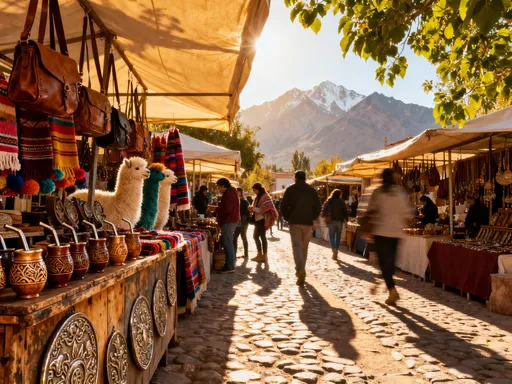
At the center of Port Vila’s cultural and commercial life stands the French Market, a bustling hub that has served the community for generations. Despite its name, the market is not French in origin, but earned the title during Vanuatu’s colonial era when French traders operated in the area. Today, it is a thriving testament to local enterprise and tradition. Rows of stalls stretch beneath wide canopies, shielding vendors and shoppers alike from the tropical sun. The air is thick with the scent of ripe fruit, smoked fish, and hand-ground spices. This is not a sanitized tourist bazaar—it’s a working market where locals come to buy, sell, and socialize, making it one of the most authentic experiences available to visitors.
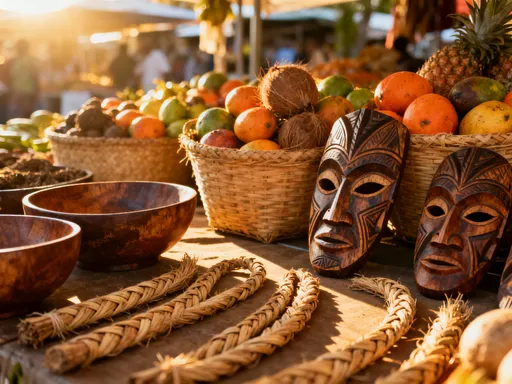
Wander through the aisles, and you’ll find an abundance of fresh produce unique to the region: purple yams, breadfruit, taro root, and clusters of wild bananas in shades of red and green. These are not grown for export; they are staples of the Ni-Vanuatu diet, grown in family gardens and brought to market in woven baskets. Alongside the food, artisans display an impressive range of handmade goods. Coconut leaf baskets, tightly woven and surprisingly durable, are used for carrying goods or storing food. Shell jewelry, crafted from locally gathered mother-of-pearl and black-lipped oyster shells, catches the light with a soft iridescence. Each piece is unique, shaped by hand without molds or machines.
One of the most distinctive offerings is banana relish, a tangy, spicy condiment made from green bananas, chili, and local herbs. It’s a staple at family meals and a favorite among visitors looking for a taste of home to take with them. Vendors often let you sample before buying, eager to share not just the flavor but the story behind it. “My grandmother taught me this recipe,” one woman shared with a smile, stirring a large wooden bowl. “Now my daughters make it too.” These intergenerational connections are woven into every product, making each purchase a small act of cultural preservation.
Supporting the French Market means supporting real families and sustainable practices. Most vendors are independent producers or part of small cooperatives. Their income goes directly into their households, funding children’s education, home improvements, or medical care. Unlike imported souvenirs sold in resort gift shops, these items are not mass-produced in distant factories. They are made with care, using materials sourced from the land and sea. By choosing to buy here, travelers contribute to a cycle of dignity and self-reliance. The market is not just a place of commerce—it’s a living economy rooted in community values.
Beyond Souvenirs: Understanding the Meaning Behind the Crafts
At first glance, the carvings, textiles, and jewelry in Port Vila’s markets may appear as decorative objects, beautiful but simple. Yet each piece carries layers of meaning, passed down through generations of Ni-Vanuatu artisans. Traditional craftsmanship is not merely an occupation; it is a form of storytelling, a way of preserving history, belief, and identity. The motifs carved into wooden bowls, painted on tapa cloth, or woven into mats are not random—they are symbols with specific significance, often tied to clan lineage, spiritual beliefs, or natural elements.
Take, for example, the recurring spiral design seen in many carvings. Known as the “kastom” spiral, it represents the journey of life—continuous, evolving, and interconnected. It reflects the Ni-Vanuatu worldview that all things are linked: people to ancestors, land to sea, past to present. Another common symbol is the shark, revered as a protector and guide in many island communities. Carvings featuring shark teeth or fins are not just aesthetic choices; they are expressions of respect and ancestral connection. Similarly, the frigate bird, with its long wings and soaring flight, symbolizes freedom and spiritual travel between worlds.
Textiles, particularly tapa cloth made from the bark of the mulberry tree, are another medium of cultural expression. The bark is soaked, beaten, and dried into large sheets, then painted with natural dyes made from roots, leaves, and clay. The patterns are often geometric, each design belonging to a specific family or island group. Wearing or displaying tapa is a way of honoring one’s roots. Today, artisans adapt these traditions for modern use—creating wall hangings, lampshades, or framed art—without losing the essence of their meaning.
What makes these crafts truly remarkable is their authenticity in the face of growing tourism. While demand has increased, most artisans resist the temptation to mass-produce or dilute their work for commercial appeal. They continue to use traditional tools and methods, often working in open-air workshops where visitors can observe the process. This transparency reinforces trust and respect. When you buy a hand-carved wooden bowl, you’re not just acquiring an object—you’re receiving a piece of living heritage, shaped by hands that honor centuries of knowledge.
Kava: More Than a Drink—A Cultural Icon for Your Shelf
No visit to Vanuatu is complete without encountering kava, the nation’s ceremonial drink and cultural cornerstone. Made from the root of the pepper plant, kava has been used for centuries in rituals, gatherings, and conflict resolution. In the markets of Port Vila, dried kava root is one of the most sought-after items for travelers. Packaged in woven mesh bags or simple paper wraps, it’s easy to carry and store, making it a meaningful souvenir. But kava is far more than a novelty—it is a symbol of unity, respect, and hospitality.
The preparation of kava is a ritual in itself. The root is ground into a fine powder, then mixed with water in a large wooden bowl called a tanoa. The mixture is strained through a cloth, resulting in a murky, earthy beverage. Drinking kava is a communal act—participants sit in a circle, receive a coconut shell cup, and drink in silence or with quiet words of respect. The effect is mild: a gentle numbing of the lips and tongue, followed by a sense of calm and relaxation. It is not intoxicating in the Western sense, but rather a facilitator of connection and conversation.
For travelers, purchasing kava is a way to bring a piece of this tradition home. However, it’s important to approach it with understanding. Not all kava is the same—quality varies based on the age of the root, the region it was grown, and how it was processed. Fresh, high-grade kava has a stronger effect and cleaner taste. Vendors in the French Market are usually happy to explain these differences, offering guidance based on intended use. Some may even demonstrate proper preparation, emphasizing the importance of clean water and respectful intention.
One of the most touching moments I experienced was being invited to a small kava ceremony in a village on the outskirts of Port Vila. Sitting cross-legged on woven mats, I watched as elders led the ritual with quiet dignity. When the cup reached me, I followed the custom—clapping once before drinking, then saying ‘bula’ (life) as I passed it on. That moment of inclusion stayed with me. Bringing home a bag of kava wasn’t just about having a unique drink; it was about carrying forward a memory of connection, of being seen and welcomed. Sharing it with family and friends became a way to extend that welcome across oceans.
Hidden Gems: Offbeat Stalls and Local Secrets
While the French Market is the most well-known, some of the most memorable finds lie just beyond its main aisles. Along the edges of the market and in nearby side streets, smaller vendors set up temporary stalls, often specializing in rare or lesser-known products. These hidden corners are where curiosity is rewarded. Here, you might discover scented soaps made from coconut oil infused with tropical flowers, or natural dyes derived from turmeric, mangrove bark, and volcanic clay. These items are not crafted for mass appeal—they are made for use, for tradition, for personal meaning.
One such treasure is tamanu oil, a golden-hued elixir pressed from the nuts of the ati tree. Used for generations to heal cuts, soothe skin irritations, and protect against sun damage, tamanu oil is a staple in many Ni-Vanuatu households. Vendors often sell it in small glass bottles, hand-labeled with simple instructions. The harvesting process is sustainable—nuts are collected from the forest floor, never damaging the trees. Learning about its uses from a local healer, I realized this was more than skincare; it was traditional medicine passed down through oral knowledge.
Another rare find is hand-dyed tapa cloth in deep indigo or rust-red hues. Unlike the brighter tourist versions, these are made using ancestral methods, with dyes that require days of preparation. One artisan explained that the red color comes from the roots of the ‘mangrove’ plant, boiled for hours until the liquid turns rich and dark. Each piece takes weeks to complete, making it a true labor of love. Owning such a cloth feels like holding a piece of history, something made not for profit, but for purpose.
Engaging with these smaller vendors requires a different kind of interaction—one based on patience and respect. Bargaining is not aggressive here; it’s a gentle exchange, often accompanied by laughter and shared stories. A simple “How did you learn this?” or “Who taught you?” can open a conversation that lasts far longer than the transaction. These moments of connection are the real souvenirs, the ones that linger long after the journey ends.
Smart Shopping: How to Choose Authentic, Ethical Keepsakes
With so many beautiful items on display, it’s natural to want to bring home a variety of souvenirs. But discernment is key. The goal is not just to acquire objects, but to ensure they are genuine, ethically made, and respectful of local customs. One of the first signs of authenticity is the presence of imperfections. Handmade items often have slight variations in size, color, or pattern—these are not flaws, but proof of human craftsmanship. In contrast, mass-produced imports, often shipped from Asia, tend to be uniform and overly polished.
Ask questions. A reputable vendor will gladly explain where an item was made, what materials were used, and how long it took to create. If the answer is vague or the seller seems unsure, it may be a sign the product is not locally made. Look for signs of traditional techniques: wood carved with hand tools, baskets woven without synthetic fibers, dyes derived from natural sources. These details matter—not just for quality, but for cultural integrity.
Equally important is avoiding items made from protected materials. While shell jewelry is common, ensure it does not contain pieces from endangered species or live coral. Vanuatu has strict regulations on the export of certain natural materials, and responsible travelers honor these rules. When in doubt, choose items made from sustainable resources like coconut, banana fiber, or recycled materials.
Packing is another consideration. Many handmade items are fragile—wood carvings can chip, tapa cloth can crease, kava powder can spill. Wrap delicate pieces in soft clothing or bubble wrap, and carry them in your hand luggage when possible. Label boxes clearly and avoid overpacking. A little care ensures your treasures arrive home in the same condition they left the market.
Why These Treasures Matter: Travel That Leaves a Positive Mark
In a world of fast fashion and disposable goods, the items found in Port Vila’s markets stand in quiet defiance. They are not made quickly, nor are they meant to be discarded. Each one carries the weight of time, effort, and meaning. When you purchase a hand-woven basket or a bottle of tamanu oil, you’re not just buying a product—you’re supporting a family, preserving a tradition, and honoring a way of life. This is travel at its most meaningful: not as consumption, but as connection.
The emotional value of these keepsakes grows over time. A wooden carving on a bookshelf becomes a conversation starter, a way to share stories of island sunsets and warm greetings. A jar of banana relish used in a family meal becomes a bridge between cultures. These objects are not static; they live on through use and memory. They remind us that the best souvenirs are not the ones we simply display, but the ones we integrate into our daily lives.
More than that, they represent a model of sustainable tourism—one where visitors leave not just footprints, but positive ripples. Every dollar spent at a local stall circulates within the community, helping to sustain schools, health care, and cultural programs. It’s a form of generosity that doesn’t require grand gestures, only mindful choices. For the thoughtful traveler, especially women who value family, heritage, and emotional depth, this kind of impact is deeply fulfilling.
Port Vila’s markets are not just places to shop. They are open-air galleries of living culture, where every item has a story and every encounter has meaning. The treasures found here are not merely things—they are invitations to remember, to honor, and to continue the conversation across oceans and generations. And that, perhaps, is the most valuable souvenir of all.