You’ve Never Tasted Amman Like This – Hidden Bites Only Locals Know
Think you know Jordanian food? Think again. Beyond the hummus and falafel posts on every travel blog, Amman holds secret flavors in its backstreets—places where sizzling meat, warm spices, and generations-old recipes come alive. I wandered far from tourist zones and found meals that didn’t just fill my stomach but told stories. This isn’t about famous restaurants; it’s about real plates, real people, and real flavor. If you're chasing authenticity, let me take you where guidebooks don’t.
The Flavor Behind the Facade
Amman’s mainstream food scene is well-documented: rooftop dining with city views, modern takes on mezze, and polished restaurants serving flawless falafel. These places have their place, and many offer excellent meals. But they often present a curated version of Jordanian cuisine—one shaped by tourism, aesthetics, and international expectations. The real soul of Amman’s food culture, however, beats strongest in unmarked alleyways, family kitchens, and roadside grills where no menu is in English and no influencer has ever set foot.
What sets these hidden spots apart isn’t just authenticity—it’s intimacy. At a typical tourist-facing eatery, you order, eat, and leave. At a local haunt, you’re greeted like a neighbor, your plate arrives with a smile, and the owner might insist you try something “special today.” These moments transform eating from a routine into a ritual. Seeking them out doesn’t just enhance your meal—it deepens your connection to the city and its people.
Travelers often overlook these experiences, assuming that the best food must come with polished interiors or online reviews. But in Amman, the most memorable meals are rarely the most convenient to find. They require curiosity, a willingness to wander, and a trust in the kindness of strangers. And the reward? A taste of Jordan that feels honest, unfiltered, and deeply personal.
Where the Locals Eat: Neighborhoods Off the Radar
To taste Amman as a local does, you must step beyond downtown and the Rainbow Street buzz. Venture into residential neighborhoods like Jabal Al-Natheef, Jabal Amman’s quieter cousin, or the back lanes of Al-Weibdeh where laundry lines stretch between buildings and children play in the shade of fig trees. These areas lack the glitz of commercial districts, but they pulse with daily life—and with it, some of the city’s most genuine food traditions.
In these streets, bakeries open before dawn, sending waves of warmth into the cool morning air. You’ll find small ovens turning out shrak bread—paper-thin flatbreads cooked over domed metal stoves—stacked high on wooden counters. Men in aprons call out greetings as regulars arrive with their own containers to take home fresh loaves. There’s no signage, no social media handle, just generations of trust and routine.
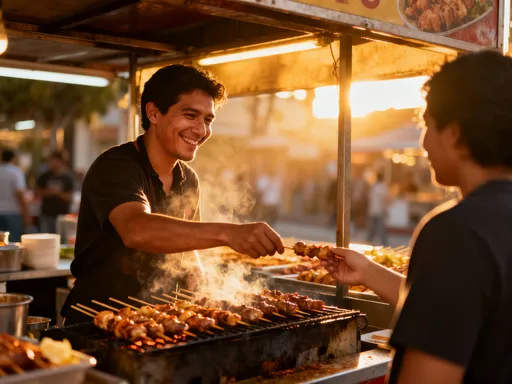
Along narrow sidewalks, family-run grills smoke lamb ribs over open flames, the scent weaving through the alleys like an invitation. A simple wooden cart might serve saj sandwiches—meat and onions wrapped in freshly baked bread—handed over in wax paper with a sprinkle of sumac. These aren’t attractions. They’re part of the neighborhood’s rhythm, invisible to most visitors but essential to those who live here.
Walking through these areas, you begin to understand that Jordanian food isn’t just about ingredients—it’s about context. The way a meal is shared, the time of day it’s eaten, the hands that prepare it—these details matter. In these unassuming corners of Amman, food isn’t performance. It’s life, unfolding naturally, one warm bite at a time.
Breakfast Like a True Ammani: The Magic of Ful and Warm Bread
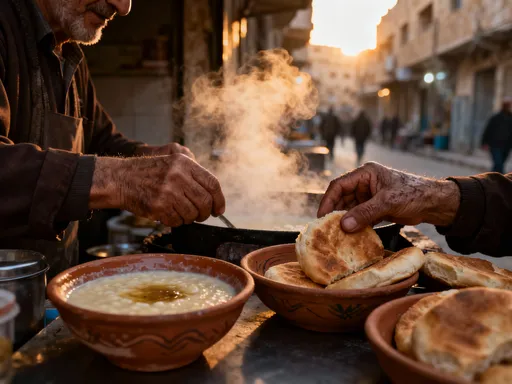
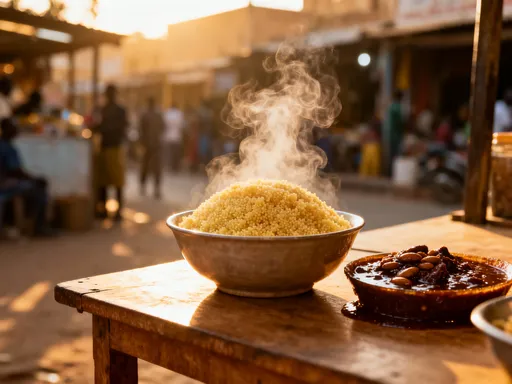
In Amman, the day begins not with coffee chains or pastries, but with a humble bowl of ful—slow-cooked fava beans simmered for hours with garlic, cumin, and a generous pour of golden olive oil. This is the breakfast of choice for countless locals, a dish so simple it borders on sacred. It’s served in small, no-frills eateries where plastic stools line the sidewalk and the air hums with quiet conversation before the city fully wakes.
One such spot, tucked between a barber shop and a produce stand in the Jabal Al-Weibdeh backstreets, opens at 5:30 a.m. By 6 a.m., a line has already formed. Regulars greet the cook by name, handing over their bowls to be filled. The ful arrives steaming, topped with chopped tomatoes, parsley, and a sprinkle of chili. It’s eaten with pieces of warm shrak bread, torn by hand and used to scoop every last drop.
There’s a rhythm to this meal. It’s not rushed. People sit, sip strong black tea, and exchange news of the day. For many, this isn’t just breakfast—it’s community. The cook, a man in his sixties who’s run the stall for over thirty years, says he knows most of his customers by face. “They come from the same buildings,” he says with a smile. “Some have been eating here since they were children.”
Ful is more than sustenance. It’s a symbol of continuity, a daily ritual that connects generations. For visitors willing to rise early and step into this quiet morning world, it offers a rare glimpse into the heart of Ammani life. No translations needed. Just warmth, flavor, and the simple joy of sharing a meal that has fed this city for decades.
Lunch Secrets: Mansaf, But Not the Tourist Version
Mansaf, Jordan’s national dish, is often presented to tourists as a ceremonial experience—served on a large platter, accompanied by music, and sometimes eaten with a strict set of rules. While these performances have their place, they often miss the spirit of how mansaf is truly enjoyed in homes across Amman. To taste it the way locals do, you need an invitation—to a family lunch in a backyard, on a woven mat, surrounded by laughter and loud conversation.
The dish centers around lamb cooked in jameed, a fermented goat yogurt that gives the sauce its distinctive tangy depth. The meat is placed over a bed of rice, which has absorbed the rich, savory broth, and topped with toasted almonds and pine nuts. The bread beneath—jiftet, a flatbread specifically used for mansaf—soaks up the sauce, becoming soft and flavorful.
What makes the experience unforgettable isn’t just the taste, but the way it’s shared. Diners gather around the platter, using only their right hands to scoop the food. There’s no cutlery, no formality—just connection. Elders offer pieces of meat to the youngest guests, children laugh as they try to eat neatly, and stories flow as freely as the buttermilk drink, saqi.
Eating mansaf this way is messy, joyful, and deeply communal. It’s a celebration of generosity and family, rooted in Bedouin tradition. For visitors, being welcomed into this moment is a profound honor. It’s not staged. It’s real. And it reminds you that in Jordan, food isn’t just about nourishment—it’s about belonging.
Street Snacks That Surprise: Sfiha, Knafeh, and Hidden Gems
While many travelers stick to familiar street foods like falafel and shawarma, Amman’s lesser-known bites offer some of the most exciting flavors. One such delight is sfiha—small, round flatbreads topped with spiced ground meat, onions, and tomatoes, baked until the edges are crisp and the center bubbling. Found at small bakeries in working-class neighborhoods, these mini meat pies are eaten fresh from the oven, often standing on the sidewalk with juice running down your fingers.
Another hidden treasure is knafeh, Jordan’s beloved cheese pastry. While many tourists head to the famous shops in downtown, the most memorable versions are often found in tucked-away pastry kitchens. One family-run spot in Jabal Al-Natheef has been making knafeh for over fifty years, using a secret blend of cheese that’s soft, stretchy, and just sweet enough. The pastry is baked in a wide copper pan, then flipped onto a plate, glistening with sugar syrup and topped with crushed pistachios.
The experience of eating it is unforgettable—the crunch of the outer layer, the pull of the melted cheese, the floral hint of orange blossom water in the syrup. Locals often eat it for breakfast or as an afternoon treat, paired with a glass of cold milk. And while it’s delicious anywhere, there’s something special about enjoying it in the place where it’s made, surrounded by the hum of daily life.
Then there are the unexpected finds—like jibneh rolls, sweet cheese pastries sold from wooden carts in the late afternoon. Or fatayer bi labneh, savory turnovers filled with thick yogurt and herbs. These snacks may not appear on food tours, but they’re woven into the fabric of Ammani life. Finding them requires curiosity, a few friendly questions, and a willingness to follow your nose.
Tea, Stories, and the Art of Slowing Down
In Amman, hospitality isn’t a service—it’s a way of life. And nowhere is this more evident than in the simple act of sharing tea. It’s common to be invited into a home or small shop for a cup, even as a stranger. The tea arrives in small glass cups, brewed strong with fresh mint and sweetened just enough. It’s served slowly, deliberately, with time for conversation to unfold.
These moments often begin by chance. You might stop to ask for directions, admire a display of spices, or simply smile at a shopkeeper. Before you know it, you’re seated on a low couch, sipping tea, and listening to stories about family, work, or life in the neighborhood. The conversation may be simple, but the connection feels deep.
Tea in Jordan is more than a drink—it’s a bridge. It signals trust, openness, and respect. Refusing it can be seen as a slight, not because the host is offended, but because they genuinely want to share a piece of their world. And in return, you offer your presence, your attention, your gratitude.
These pauses in the day—unplanned, unhurried—are where travel becomes transformative. They remind you that the richest experiences aren’t always the most photographed. Sometimes, the most meaningful moments happen over a simple cup of tea, in a quiet corner of a city that welcomes you not as a visitor, but as a guest.
How to Find These Spots Without Getting Lost
Discovering Amman’s hidden food gems doesn’t require a secret map—just a few thoughtful strategies. Start by talking to people. Shop owners, taxi drivers, and market vendors often know the best local spots. A simple question like “Shu akthar shi’ bte7eb?”—“What do you love most?”—can lead to a heartfelt recommendation and even a personal introduction.
Timing matters. Many of the best places open early and close by mid-afternoon. Breakfast spots are busiest before 8 a.m., while grills and bakeries peak around lunchtime. If you arrive too late, you might find the ovens cold and the counters empty. Planning your day around local meal rhythms increases your chances of experiencing food at its freshest.
Dress modestly and respectfully. In residential areas, conservative clothing helps you blend in and shows cultural sensitivity. Avoid wearing revealing outfits, and opt for long sleeves or light cover-ups, especially in more traditional neighborhoods.
Be mindful with your camera. While it’s tempting to photograph every dish and scene, always ask permission before taking pictures of people or private spaces. Some families may welcome a photo; others may prefer privacy. Respecting these boundaries builds trust and often leads to warmer interactions.
Finally, accept invitations when offered. If someone invites you for tea or a meal, say yes—unless there’s a genuine reason not to. These moments are rare and precious. They’re not part of a tour. They’re real life, shared generously. And they often become the memories you carry longest.
Conclusion
True travel isn’t just seeing a place—it’s tasting it, sharing it, and feeling it in your bones. In Amman, the deepest experiences come not from five-star restaurants but from humble tables where food is love in its purest form. It’s in the steam rising from a bowl of ful at dawn, the laughter around a platter of mansaf, the sweetness of knafeh shared with new friends.
These moments don’t happen by accident. They require stepping off the beaten path, listening closely, and opening your heart to the kindness of strangers. They ask you to slow down, to savor not just the flavors but the connections they create.
So go beyond the map. Seek the unknown bites. Let flavor lead the way. In Amman, every meal is an invitation—to belong, to understand, to remember. And sometimes, the simplest dishes leave the strongest mark.