You Won’t Believe What I Found in Brasília—And What to Skip
Brasília isn’t your typical Brazilian city—no beaches, no samba parades, but something far more unexpected: a futuristic capital carved out of the wilderness. I went with low expectations but left stunned by its bold architecture and quiet charm. Yet, not everything shines. Some so-called “must-see” spots? Total letdowns. Let me guide you through the breathtaking highs—and the avoid-at-all-costs pitfalls—of exploring Brasília’s most iconic landscapes.
Arrival in a City from the Future
Stepping off the plane in Brasília feels like entering a different Brazil—one that time forgot, or perhaps one that leapt ahead of it. Unlike the coastal vibrancy of Rio or the colonial warmth of Ouro Preto, Brasília greets visitors with wide, silent avenues, symmetrical city blocks, and a skyline defined by sweeping curves and angular towers. Designed by urban planner Lúcio Costa and architect Oscar Niemeyer in the late 1950s, the city was inaugurated in 1960 as a bold declaration of modernity, built from scratch in the central plateau of Brazil. Its airplane-shaped layout is not just symbolic; it’s functional, with distinct residential, commercial, and governmental zones radiating outward like spokes on a wheel.
First-time visitors often arrive expecting the lush tropics or colonial-era charm associated with much of Brazil. Instead, they’re met with a capital that feels more European in its orderliness and more futuristic in its design. The absence of organic urban growth—no winding alleys, no centuries-old churches—can be jarring. But this is precisely what makes Brasília unique. It’s not a city that evolved; it was conceived. Every curve of its buildings, every angle of its plazas, was drawn on a drafting table with intention. For many, the initial impression is one of sterility—too much concrete, too little soul. Yet, with time, that perception shifts. The silence between buildings becomes peaceful rather than cold. The open spaces invite reflection. The architecture, once seen as cold, begins to feel poetic.
What most travelers don’t realize is that Brasília was never meant to be a tourist destination. It was built to unify a vast country, to pull development inland, and to represent progress. As such, its rhythm is different. There’s no rush to the beach at sunset, no street vendors calling out in crowded markets. Life here unfolds in superquadras—residential blocks designed for community living—and in the quiet parks where families gather on weekends. To appreciate Brasília, one must adjust expectations. This isn’t a city for nightlife or spontaneous exploration. It’s a city for observation, for understanding how design shapes daily life. And once you make that mental shift, Brasília reveals itself not as a disappointment, but as a revelation.
The Heart of Brasília: Monumental Axis Highlights
The Eixo Monumental, or Monumental Axis, is the spine of Brasília, a 16-kilometer-long avenue that stretches east to west like the fuselage of the city’s airplane-shaped plan. It’s here that the grandest expressions of Brazil’s mid-century ambition come to life. Walking or driving along this broad boulevard, flanked by manicured lawns and reflective pools, one can’t help but feel the weight of national pride embedded in the architecture. This is where government power and civic identity converge, and where visitors get their most iconic views of the capital.
At the western end stands the Praça dos Três Poderes, or Square of the Three Powers, where the executive, legislative, and judicial branches of government coexist in striking modernist forms. The National Congress building, with its twin towers flanked by a dome and a bowl, is perhaps the most photographed structure in the city. The dome represents the Senate, the bowl the Chamber of Deputies, and their opposing shapes symbolize the balance of power. Visitors can tour the interior on weekdays, though access is limited and requires advance registration. The real impact, however, is visual. Seeing these structures rise from the flat plateau, unobstructed by other buildings, creates a sense of openness and transparency—both literal and symbolic.
Nearby stands the Palácio do Planalto, the official workplace of the President of Brazil, and the Supreme Federal Court, both designed with clean lines and open colonnades that invite public presence. While security is tight, especially during official events, the square often hosts peaceful demonstrations, civic gatherings, and cultural displays, reinforcing its role as a living democratic space. The inclusion of the Os Candangos sculpture—honoring the laborers who built the city—adds a human dimension to the monumental scale, reminding visitors that this futuristic city was built by hand, under harsh conditions.
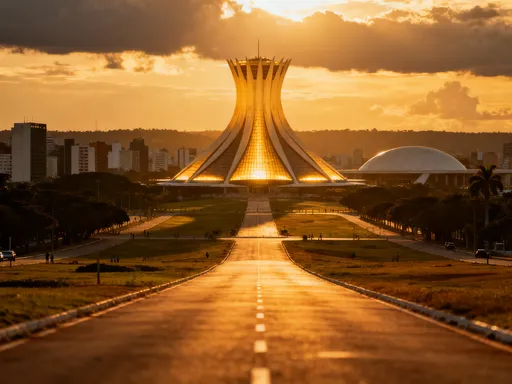
One of the most emotionally powerful sites along the axis is the Cathedral of Brasília. Designed by Oscar Niemeyer and completed in 1970, the cathedral appears to rise from the earth like a crown of concrete hyperboloids. Its 16 curved columns soar upward, converging in a circle that frames the sky. Inside, the effect is transcendent. Natural light filters through stained glass by artist Marianne Peretti, casting colorful patterns across the white marble floor and the inverted Christ figure suspended above the nave. Unlike traditional cathedrals, there is no front or back—worshipers enter from all sides, creating a sense of unity and equality. Whether one is religious or not, the space evokes awe. It’s a masterpiece of form and function, where architecture becomes spirituality.
Photographers will find endless opportunities here, especially at sunrise or sunset when the low light accentuates the curves and shadows of the buildings. The reflecting pools along the Eixo amplify the visual drama, doubling the skyline in still water. For those interested in history and governance, the area offers a rare chance to see democracy embodied in architecture. But even for casual visitors, the Monumental Axis delivers a sense of scale and intentionality that few cities can match.
Hidden Beauty in Plain Sight: Parks and Natural Escapes
For a city known for its concrete and planning, Brasília offers surprising pockets of nature that provide both relief and recreation. While the Monumental Axis showcases human ambition, the city’s parks reveal its softer side—places where families picnic, couples stroll, and joggers move along tree-lined paths. These green spaces are not afterthoughts; they are integral to Costa’s original vision, designed to balance the density of urban life with access to open air and natural beauty.
Parque da Cidade, named after environmentalist Sarah Kubitschek, is the largest urban park in Latin America, spanning over 400 hectares. It’s a favorite among locals, especially on weekends when the grassy fields fill with kite flyers, cyclists, and food vendors. The park features dedicated walking and biking trails, playgrounds, and even an open-air amphitheater that hosts free concerts and cultural events. One of its most beloved features is the Ecological Trail, a shaded path that winds through native cerrado vegetation, offering a glimpse into the region’s unique biome. Unlike the Amazon, the cerrado is a tropical savanna, home to twisted trees, hardy shrubs, and a surprising diversity of wildlife. Interpretive signs along the trail educate visitors about local flora and conservation efforts, making it both a leisure and learning destination.
Equally rewarding is Lago Paranoá, an artificial lake created during the city’s construction to regulate temperature and provide recreation. The lake’s 48-kilometer shoreline is dotted with parks, restaurants, and marinas. The Pontão do Lago Sul, a lively boardwalk on the southern shore, is perfect for an evening walk, with food kiosks, live music, and views of the illuminated city skyline. Kayaking, paddleboarding, and catamaran rides are available for those who want to get on the water. At dawn, the lake is often shrouded in mist, creating a serene, almost dreamlike atmosphere. Birdwatchers may spot herons, kingfishers, and even ospreys diving for fish.
These natural spaces are essential for understanding Brasília’s full character. They counterbalance the formality of the government district and offer a more intimate, human-scale experience. While tourists often rush to see the monuments, spending time in the parks allows for a slower, more reflective pace. It’s here that you’ll see how residents truly live—enjoying the outdoors, socializing, and taking pride in their city’s unique blend of nature and design. For visitors, prioritizing these areas isn’t just pleasant; it’s necessary for a well-rounded experience.
Museums That Actually Impress: Culture Beyond Concrete
Brasília’s cultural scene is often underestimated, overshadowed by its reputation as a bureaucratic capital. Yet, those who take the time to explore its museums discover a rich tapestry of art, history, and innovation. These institutions are not merely add-ons; they are embedded in the city’s identity, reflecting its role as a center of national governance and intellectual life.
The Museu Nacional Honestino Guimarães, located on the University of Brasília campus, is one of the most comprehensive museums in the country. Its collections span archaeology, ethnology, and natural history, with artifacts from indigenous cultures, pre-Columbian settlements, and Brazilian biodiversity. The building itself is a work of art, with Niemeyer’s signature curves and open spaces that invite natural light. Temporary exhibitions often focus on social themes, such as environmental conservation or cultural preservation, making the museum not just educational but socially relevant. Guided tours are available in Portuguese and English, and the museum offers interactive displays that engage younger visitors. Because it’s slightly off the main tourist path, crowds are minimal, allowing for a more contemplative experience.
Another standout is the Espaço Cultural Renato Russo, a multidisciplinary arts center named after the late rock musician. Housed in a renovated colonial-style building, it blends historical architecture with contemporary programming. The center hosts art exhibitions, film screenings, theater performances, and music concerts, often featuring emerging Brazilian artists. Its library and café make it a popular spot for locals, especially students and creatives. What sets this space apart is its accessibility—most events are free or low-cost, and the atmosphere is welcoming rather than elitist. It’s a reminder that Brasília’s culture isn’t confined to official buildings; it thrives in community spaces too.
For those interested in modern art, the Centro Cultural Banco do Brasil (CCBB Brasília) offers rotating exhibitions of national and international significance. Located near the financial district, the building combines modern design with sustainable features, including solar panels and rainwater harvesting. Past exhibitions have included retrospectives of Tarsila do Amaral, one of Brazil’s most important modernist painters, and immersive installations that explore urban life. The center also offers workshops, lectures, and guided tours, making it a hub for cultural engagement. Because it’s popular, visiting on weekday mornings or late afternoons helps avoid peak crowds.
These museums and cultural centers do more than display art—they deepen the visitor’s understanding of Brazil’s complexities. They show that Brasília, for all its futuristic planning, is also a place of memory, creativity, and dialogue. By including them in an itinerary, travelers move beyond postcard views and begin to grasp the soul of the city.
The Overrated Tourist Traps to Avoid
Not every recommended stop in Brasília lives up to the hype. Some attractions, heavily promoted in guidebooks and online reviews, offer little in return for the time and effort required to visit. Being selective can make the difference between a fulfilling trip and a frustrating one.
One frequently overrated site is the JK Memorial, dedicated to Juscelino Kubitschek, the president who championed Brasília’s construction. While the tribute is historically significant, the experience is underwhelming for many. The memorial is located on a busy roundabout, making pedestrian access awkward, and the viewing platform offers limited sightlines. Inside, the exhibits are sparse and poorly lit, with minimal English translations. The surrounding gardens are pleasant but not exceptional. For those interested in Kubitschek’s legacy, a visit to the Museu Histórico de Brasília, located in the old airport building, provides a far richer and more contextualized experience.
Another letdown is the so-called “Panoramic Tower” near the city center. Marketed as offering a 360-degree view of Brasília, the tower suffers from outdated elevators, long wait times, and glass that is often smudged or reflective, making photography difficult. On hazy days—which are common during the dry season—the view is obscured. A better alternative is the observation deck at the Itamaraty Palace, home to Brazil’s Ministry of Foreign Affairs. While public access is limited, guided tours are available and include not only panoramic views but also insights into the building’s diplomatic role and architectural elegance.
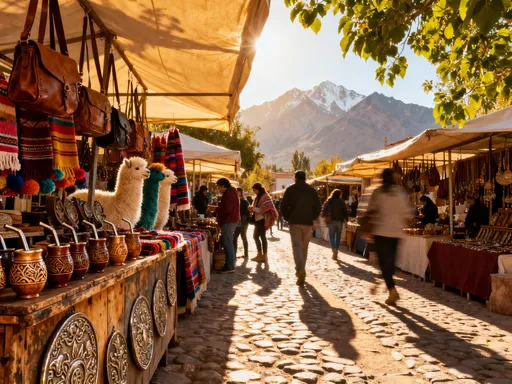
Some travelers also waste time visiting empty government plazas late in the afternoon, only to find them locked or patrolled by security. Many official buildings close to the public by 5 PM, and weekends offer limited access. Instead of waiting at closed gates, consider using that time to explore the artisan markets in the satellite cities, such as Feira da Torre in Taguatinga, where you can find handmade crafts, local foods, and a more authentic sense of daily life.
The key is to prioritize experiences that offer depth over breadth. Brasília rewards slow, intentional exploration. Skipping the crowded, overhyped spots in favor of quieter, more meaningful ones often leads to richer memories.
Smart Travel Tips for Navigating Brasília
Brasília’s size and layout demand thoughtful planning. Unlike compact historic cities, it sprawls across a vast area, with key attractions separated by kilometers of wide roads and roundabouts. Without preparation, visitors can waste hours in transit or miss openings due to poor timing.
Public transportation is limited. The metro system serves only a fraction of the city, primarily connecting satellite towns to the central area. For most tourists, the most reliable options are taxis or ride-sharing apps like Uber, which are widely available and affordable. Renting a car offers flexibility, but navigation can be confusing due to the city’s geometric layout and similar-looking superquadras. A GPS or map app is essential.
Walking between major sites is not practical. The Monumental Axis is too long, and sidewalks are often interrupted. However, within zones—such as the Eixo Monumental or a single park—pedestrian access is safe and pleasant. Comfortable shoes are a must, especially during the dry season when temperatures can exceed 30°C (86°F). The best times to visit outdoor sites are early morning or late afternoon, when the heat is milder and lighting is ideal for photography.
Security in Brasília is generally good in tourist areas, but petty theft can occur in crowded markets or on public transit. Keep valuables secure and avoid displaying expensive items. Government buildings have strict security checks, so avoid carrying large bags.
Plan visits to museums and official sites on weekday mornings, when crowds are smaller and staff are more available for questions. Many institutions close on Mondays or have reduced hours on holidays. Checking official websites before arrival can prevent disappointment.
Lastly, embrace the local rhythm. Brasília moves at a calmer pace. Meetings start late, restaurants open later, and weekends are for family time. Adapting to this flow makes the visit more enjoyable and authentic.
Why Brasília Deserves a Second Look—On Your Own Terms
Brasília is not for everyone—and that’s precisely what makes it worth visiting. It doesn’t compete with Rio’s energy or Salvador’s heritage. Instead, it offers something rare: a city built on an idea. To walk its avenues is to walk through a moment in history when Brazil believed in progress, design, and unity. Its architecture is not just aesthetic; it’s philosophical.
Too often, travelers judge Brasília by the standards of other cities, expecting chaos, color, and constant stimulation. When they don’t find it, they dismiss the capital as cold or boring. But those who approach it with curiosity discover a different kind of beauty—one found in symmetry, silence, and intention. The city invites reflection. It asks you to slow down, to look closely, to appreciate the space between buildings as much as the buildings themselves.
By skipping the overrated spots and focusing on meaningful experiences—whether it’s a sunrise at the cathedral, a quiet walk in Parque da Cidade, or a conversation with a local vendor—visitors form a deeper connection. Brasília rewards those who look beyond the surface.
In a world of predictable destinations, Brasília stands apart. It challenges assumptions and expands what we think a city can be. It may not be love at first sight, but with patience, it can become a lasting impression. So go—not to check a box, but to see a different Brazil. One that’s not sung about in samba, but quietly built, one concrete curve at a time.