What No One Tells You About Eating Right at Parties
We’ve all been there—surrounded by snacks, drinks, and social pressure at a gathering, trying to eat well without feeling left out. Social events often become traps for unhealthy eating, not because we lack willpower, but because we’re unprepared. I’ve been through the guilt, the bloating, the energy crashes—until I learned how to navigate food choices smarter. It’s not about perfection; it’s about making simple, strategic moves that keep you feeling good while still enjoying the moment.
The Hidden Trap of Social Eating
Social gatherings—whether birthday celebrations, holiday dinners, or casual get-togethers—are often centered around food. A table filled with appetizers, a drink in hand, and the sound of laughter create a warm atmosphere, but they also set the stage for unintentional overeating. The problem isn’t a lack of discipline; it’s the environment. When food is abundant, visible, and shared among friends, the natural instinct is to partake. Emotional cues like excitement, nostalgia, or the desire to connect can override internal signals of hunger and fullness. This is not a personal failing—it’s human behavior shaped by context.
One of the most common triggers at parties is the buffet-style setup. When faced with a wide variety of options, people tend to eat more, not because they are hungrier, but because variety stimulates appetite. This phenomenon, known as sensory-specific satiety, means that the brain remains interested in eating when flavors and textures change frequently. Add to that the presence of alcohol, which lowers inhibitions and impairs judgment, and it’s easy to see how a few mindful bites can turn into a late-night indulgence. The combination of social momentum—"everyone else is eating"—and easy access to calorie-dense foods makes overconsumption almost automatic.
Another overlooked factor is the timing of events. Many parties occur in the evening, after a long day when stress hormones like cortisol may already be elevated. If someone hasn’t eaten balanced meals earlier in the day, their blood sugar could be low, increasing the likelihood of reaching for quick-energy foods like chips, sweets, or sugary cocktails. These choices offer immediate satisfaction but lead to energy crashes later. The cycle of blood sugar spikes and drops can leave a person feeling sluggish, irritable, or even anxious by the end of the night—hardly the experience most hope for when they walk through the door.
Understanding these environmental and physiological factors is the first step toward breaking the cycle. Recognizing that overeating at parties is not a moral shortcoming but a predictable response to certain conditions allows for a more compassionate and effective approach. Instead of blaming oneself, the focus can shift to preparation, awareness, and small behavioral adjustments that support better choices without sacrificing enjoyment.
Why Diet and Social Life Don’t Have to Clash
There’s a common misconception that eating well means being rigid, missing out, or appearing difficult at social events. Many believe that choosing healthier options will make them stand out or seem uninterested in the fun. But the truth is quite the opposite. When you fuel your body with balanced nutrition, you’re more likely to have steady energy, clearer thinking, and a positive mood—all of which enhance your ability to connect and enjoy yourself. Eating with intention isn’t about restriction; it’s about making choices that align with how you want to feel during and after the event.
Research consistently shows that dietary patterns influence both physical and mental well-being. For example, meals that include a combination of protein, fiber, and healthy fats help stabilize blood sugar levels. This stability prevents the rapid spikes and crashes associated with fatigue, brain fog, and mood swings. At a party, this means you’re less likely to feel drained after an hour of socializing and more likely to stay engaged in conversations, dance, or simply enjoy the moment without discomfort. Feeling your best is not selfish—it’s what allows you to be fully present with others.
Consider the experience of eating a plate full of refined carbohydrates—like crackers, cheese, and dessert—without any fiber or protein to balance it. Within 30 to 60 minutes, many people report feeling bloated, sluggish, or even sleepy. In contrast, someone who starts with vegetables, adds a source of lean protein like grilled chicken or beans, and includes a small portion of complex carbohydrates is more likely to maintain energy and satisfaction. These choices don’t require special meals or separate dishes; they simply involve mindful selection from what’s already available.
The goal is not to avoid treats altogether but to integrate them into a balanced experience. Enjoying a small piece of cake after eating a salad and some protein is very different from eating cake on an empty stomach. The latter leads to a sharp rise in blood sugar, followed by a crash that can trigger cravings for more sugar. The former allows for pleasure without the physical consequences. This approach, often referred to as *eating with purpose*, shifts the focus from deprivation to empowerment. It’s not about saying no to everything fun—it’s about saying yes to feeling good.
The Most Common Food Pairing Mistakes (and Why They Backfire)
At most gatherings, certain food combinations appear almost by default: wine and cheese, soda and pizza, cocktails and salty snacks. While these pairings are socially accepted and often delicious, they can lead to unintended physical effects. The issue lies in their nutritional imbalance—high in sugar, refined carbohydrates, and sodium, but low in fiber, protein, and essential nutrients. When consumed together, these foods trigger a chain reaction in the body that often ends in discomfort, fatigue, or increased hunger shortly after eating.
Take the classic example of drinking alcohol with salty snacks. Alcohol is a diuretic, meaning it increases fluid loss and can lead to dehydration. Salty foods, on the other hand, increase thirst and fluid retention. Together, they create a cycle that can leave a person feeling bloated, thirsty, and fatigued. Moreover, alcohol lowers blood sugar in some cases and impairs the liver’s ability to regulate it, especially when combined with high-carbohydrate snacks. This combination can result in a sudden energy drop, often mistaken for tiredness from the event itself, when it’s actually a metabolic response.
Another common mistake is pairing sugar with caffeine—such as having a soda or sweetened coffee drink alongside dessert. Caffeine stimulates the central nervous system, increasing alertness, while sugar provides a quick burst of energy. Initially, this may feel invigorating, but within an hour, both effects wear off, leading to a pronounced crash. This crash can manifest as irritability, difficulty concentrating, or a strong desire to eat more sugar to regain energy. Over time, repeated cycles like this can disrupt natural energy rhythms and contribute to weight gain and insulin resistance.
Perhaps the most overlooked pairing is heavy refined carbohydrates followed by more carbohydrates—like eating a large portion of pasta and then having a sweet dessert. Without protein or fiber to slow digestion, the carbohydrates are rapidly broken down into glucose, causing a spike in insulin. Once the glucose is absorbed, energy levels plummet, often leaving a person feeling sluggish and unsatisfied despite having eaten a lot. These patterns don’t reflect poor willpower; they reflect a lack of awareness about how food combinations affect the body. Recognizing these mistakes is the first step toward making better choices that support long-term well-being.
Smart Swaps That Actually Work in Real Life
The good news is that small, practical changes can make a big difference in how you feel at social events. These are not extreme measures or complicated rules—they are simple swaps that fit naturally into real-life situations. The key is to focus on balance: adding protein, fiber, and healthy fats to slow digestion, stabilize blood sugar, and increase satiety. These nutrients work together to prevent the rapid spikes and crashes that lead to discomfort and overeating.
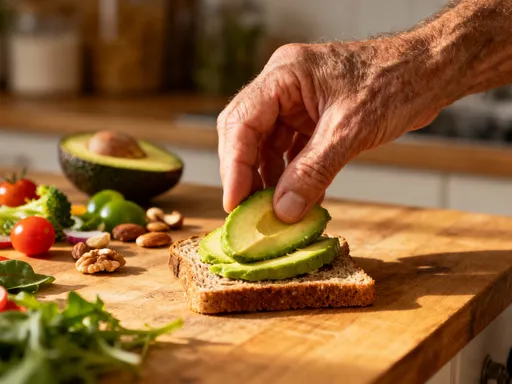
For example, if you’re having a drink, pair it with a small handful of nuts or a few slices of avocado. Nuts contain healthy fats and protein, which help buffer the effects of alcohol on the liver and prevent blood sugar from dropping too quickly. Similarly, choosing vegetables before starches can change the entire trajectory of your meal. Starting with a plate of raw or roasted vegetables increases fiber intake and takes up space in the stomach, naturally reducing the amount of higher-calorie foods you might eat later. This isn’t about restriction—it’s about strategic timing.
Another effective strategy is to eat fruit after consuming some protein. While fruit contains natural sugars, eating it after a source of protein or fat slows the absorption of fructose and glucose, preventing a rapid insulin response. For instance, having a small serving of berries after a piece of grilled fish or a spoonful of Greek yogurt allows you to enjoy sweetness without the crash. These pairings don’t require special preparation; they simply involve being mindful of the order in which you eat.
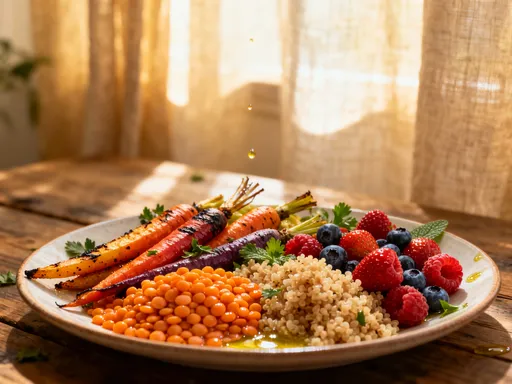
At buffet-style events, a practical rule is to fill half your plate with vegetables first, then add a quarter with lean protein and a quarter with complex carbohydrates like sweet potato, quinoa, or whole grain bread. This visual guide, supported by dietary guidelines from health organizations, helps ensure nutritional balance without the need for calorie counting. It’s also socially seamless—no one will notice what’s on your plate, but you’ll feel the difference in your energy and comfort level. Flexibility is key; the goal is progress, not perfection. One mindful choice can lead to another, creating a ripple effect of better decisions throughout the evening.
How to Plan Ahead Without Overthinking It
One of the most effective ways to eat well at parties is to prepare in advance—without turning it into a source of stress. Simple, low-effort strategies can set the stage for success. For instance, eating a small, balanced snack before heading out—such as an apple with almond butter or a hard-boiled egg with a few carrots—can prevent arriving at the event ravenous. When you’re overly hungry, the brain prioritizes quick energy, making it harder to resist high-calorie, low-nutrient foods.
Hydration is another often-overlooked factor. Drinking a glass of water before eating helps with portion control and can reduce the likelihood of mistaking thirst for hunger. Many people experience mild dehydration without realizing it, especially if they’ve been busy during the day. Starting with water also creates a pause before diving into food, allowing time to assess actual hunger levels. Once at the event, continuing to sip water between alcoholic or sugary drinks can further support balance and reduce overall calorie intake.
Pacing is equally important. Eating slowly and chewing thoroughly gives the body time to register fullness, which takes about 20 minutes. Taking breaks between bites, engaging in conversation, and putting your fork down between bites are all simple ways to slow down. Checking in with yourself midway through the event—asking, "Do I still feel hungry?" or "Am I eating because I’m enjoying this or because it’s in front of me?"—can provide valuable insight. These moments of awareness don’t require willpower; they require presence.
Planning ahead should be seen as an act of self-care, not self-control. It’s not about policing your behavior but about creating conditions that support your well-being. When you take a few small steps in advance, you free yourself from the pressure of making perfect choices in the moment. You’re not restricting—you’re equipping yourself to enjoy the event more fully, with greater energy and less regret.
Navigating Peer Pressure and Social Cues
Social events often come with subtle, sometimes well-meaning, pressures to eat or drink more. Comments like “Come on, live a little!” or “One bite won’t hurt” are common, especially when someone chooses a smaller portion or skips dessert. These remarks, though not intended to be harmful, can create internal conflict, especially for those trying to make mindful choices. The key is to respond in a way that honors your decision without creating tension or drawing unnecessary attention.
Non-confrontational responses can be both polite and effective. Phrases like “I’m saving room for dinner,” “I love this one, I’ll savor it slowly,” or “I’ll try a small piece” allow you to participate without overindulging. These statements are neutral—they don’t judge others’ choices, nor do they invite debate. Over time, consistently making your own choices with confidence can shift how others perceive them. Mindful eating becomes normalized when it’s presented as a personal preference rather than a rule.
It’s also helpful to reframe the conversation around food. Instead of labeling foods as “good” or “bad,” which can create guilt or shame, think in terms of how different choices make you feel. This shift removes moral judgment and focuses on physical experience. Choosing a salad over fries isn’t about being “good”—it’s about knowing that the salad will leave you feeling light and energized. This mindset fosters self-awareness rather than self-criticism.
Confidence in social eating comes not from pleasing others but from feeling well in your own body. When you prioritize how you feel over external expectations, you model a healthy relationship with food for those around you. Others may even begin to notice the difference in your energy and mood and quietly adopt similar habits. The goal is not to be perfect but to be consistent in making choices that support your well-being, even in challenging environments.
Building a Sustainable Social Eating Mindset
The journey to healthier eating at social events isn’t about eliminating indulgences or following strict rules. It’s about cultivating a mindset that values balance, self-awareness, and long-term well-being over short-term perfection. One evening of eating doesn’t define your health, just as one healthy meal doesn’t undo years of habits. What matters most is the pattern over time. Small, consistent choices—like starting with vegetables, pairing drinks with protein, or drinking water first—add up to meaningful change.
Self-compassion is a crucial part of this process. There will be times when you eat more than intended or choose something that doesn’t sit well. Instead of reacting with guilt or frustration, treat these moments with kindness. Ask yourself, “What can I learn from this?” rather than “Why did I fail?” This shift in perspective turns setbacks into opportunities for growth. Health is not a punishment for past choices but a gift you give yourself every day.
Over time, mindful eating becomes less about effort and more about habit. You begin to notice how certain foods affect your energy, mood, and digestion. You learn to trust your body’s signals and make choices that honor them. This intuitive approach reduces the need for rigid rules and fosters a more peaceful relationship with food. You’re no longer at war with cravings—you’re in conversation with your body.
Ultimately, the goal is to enjoy food and connection without regret. Social events are meant to be celebrations of life, relationships, and joy. When you eat in a way that supports your well-being, you’re not missing out—you’re enhancing the experience. You can savor the flavors, engage in conversation, and dance the night away, all while feeling strong and energized. That is the true benefit of eating right at parties—not weight loss or discipline, but vitality, presence, and the freedom to enjoy life fully.
Remember, everyone’s body is different. What works for one person may not work for another. If you have specific health concerns or dietary needs, it’s always wise to consult a healthcare provider or registered dietitian for personalized guidance. The information shared here is intended to support general well-being and should not replace professional medical advice.