Eat This, Not That: My Real Talk on Staying Healthy Without the Hype
You know that feeling when you're scrolling through endless diet advice, only to feel more confused? I’ve been there. After years of trying fad diets that went nowhere, I finally found a simple, science-backed way to eat that actually helps prevent illness—no magic pills, just real food. This is about making sense of nutrition without the noise. It’s not about shrinking your waistline overnight or chasing viral trends. It’s about building a body that resists disease, stays energized, and feels strong for decades to come. The truth is, what you eat today shapes your health tomorrow. And the best part? It doesn’t require perfection—just consistency, awareness, and a few smart choices.
Why “Prevention” Starts on Your Plate
Chronic diseases like heart disease, type 2 diabetes, and certain cancers are among the leading causes of illness and early death worldwide. What many people don’t realize is that a significant portion of these conditions are preventable—and diet plays a central role. According to the World Health Organization, unhealthy eating patterns contribute to more deaths globally than tobacco use. This isn’t about occasional indulgences; it’s about long-term patterns. Every meal is a chance to either support your body’s defenses or weaken them. When food is viewed not just as fuel but as medicine, the way we eat begins to shift.
Yet, confusion reigns in the world of nutrition. One day, fat is the enemy. The next, carbohydrates are to blame. These swinging pendulums of dietary advice often stem from oversimplified headlines or short-term studies taken out of context. As a result, many women in their 30s, 40s, and 50s find themselves caught in a cycle of starting diets, losing a few pounds, then regaining them—and feeling worse than before. The problem isn’t willpower. It’s that most popular diets focus on rapid weight loss rather than lasting health. They eliminate entire food groups, promote extreme restriction, or rely on pre-packaged meals that aren’t sustainable in real life.
The mindset shift needed is simple but powerful: stop thinking about food as a tool for weight control and start seeing it as a way to build resilience. Your body is constantly repairing cells, fighting off infections, and regulating hormones. What you eat directly influences how well these processes work. For example, chronic inflammation—a silent driver of many diseases—is heavily influenced by diet. Foods high in sugar and unhealthy fats can fuel inflammation, while whole plant foods help calm it. This isn’t about achieving a certain look. It’s about feeling steady energy, fewer illnesses, better digestion, and stronger immunity over time.
What Actually Counts as a Disease-Preventing Diet?
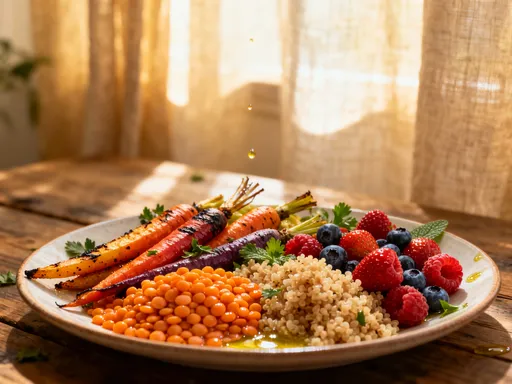
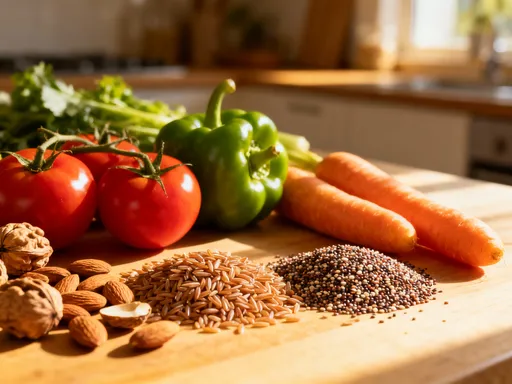
So, what does a truly protective diet look like? It’s not complicated, but it is intentional. At its core, a disease-preventing eating pattern emphasizes whole, minimally processed foods—especially plants. This means filling your plate with vegetables, fruits, legumes, whole grains, nuts, and seeds. These foods are naturally rich in fiber, antioxidants, healthy fats, and phytonutrients—compounds that work together to protect your cells from damage and support your immune system.
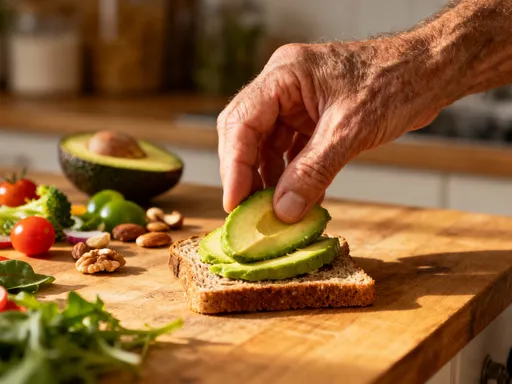
Fiber, for instance, does far more than keep digestion regular. It feeds the beneficial bacteria in your gut, which play a crucial role in regulating inflammation and even influencing mood. Studies show that people who consume high-fiber diets have lower risks of colorectal cancer, heart disease, and type 2 diabetes. Antioxidants, found abundantly in colorful fruits and vegetables, neutralize free radicals—unstable molecules that can harm cells and contribute to aging and disease. Meanwhile, healthy fats from sources like avocados, olive oil, and fatty fish support brain health and reduce arterial inflammation.
This approach stands in contrast to many trendy diets that promise quick results but lack long-term evidence. Take the ketogenic diet, for example. While some people experience short-term weight loss on keto, its long-term effects on heart health remain uncertain, especially when it relies heavily on animal fats and limits fruit and whole grains. Juice cleanses, another popular trend, remove fiber and concentrate sugar, leading to blood sugar spikes and little lasting benefit. These methods may create temporary changes, but they don’t build lasting health. A sustainable, protective diet isn’t about cutting out food groups—it’s about choosing the right versions of those foods most of the time.
Breaking Down the Daily Blueprint: What My Plate Looks Like
Translating science into real life means creating a daily eating pattern that’s both nutritious and enjoyable. A typical day for me starts with a bowl of steel-cut oats topped with fresh berries, chia seeds, and a sprinkle of cinnamon. This meal is rich in soluble fiber, which helps regulate cholesterol and blood sugar. I pair it with a cup of green tea, a beverage linked to improved heart health and antioxidant intake. Lunch often features a large salad with mixed greens, roasted vegetables, chickpeas, and a dressing made from olive oil and lemon juice. The variety of colors on the plate isn’t just pleasing to the eye—it signals a wide range of protective compounds.
Dinner might be a lentil stew with tomatoes, carrots, and turmeric, served with a small portion of quinoa or brown rice. These meals are satisfying, high in plant protein and fiber, and take advantage of ingredients that have been studied for their health benefits. Turmeric, for example, contains curcumin, a compound with anti-inflammatory properties. I also include fermented foods like sauerkraut or plain yogurt a few times a week to support gut health. Snacks are simple: an apple with almond butter, a handful of walnuts, or raw veggies with hummus. The key is balance—combining complex carbohydrates, healthy fats, and plant-based protein in each meal to keep energy stable and hunger at bay.
Variety is just as important as the individual foods themselves. Eating a wide range of plant foods ensures you’re getting different nutrients and phytochemicals. Research from the American Gut Project suggests that people who consume more than 30 different plant foods per week have more diverse gut microbiomes—a sign of better overall health. That doesn’t mean you need to track every item, but it does encourage stepping outside your usual grocery list. Try a new vegetable each week, swap beans for lentils, or experiment with ancient grains like farro or millet. Over time, these small changes build a more resilient, adaptable body.
The Hidden Triggers: What I Cut Out (and Why It Mattered)
One of the most impactful changes I made wasn’t about adding new foods—it was about reducing the ones that were working against me. Ultra-processed foods, loaded with added sugars, refined grains, and unhealthy fats, were quietly undermining my energy and health. These include packaged snacks, sugary cereals, frozen meals, and fast food. They’re designed to be hyper-palatable, meaning they’re engineered to make you want more, often at the expense of nutrition. Over time, a diet high in these foods has been linked to increased risks of obesity, heart disease, and metabolic syndrome.
When I began cutting back, the difference wasn’t immediate, but it was real. Within a few weeks, I noticed I wasn’t reaching for snacks as often, my energy stayed more consistent throughout the day, and I seemed to get sick less frequently. I used to catch every cold that went around the office, but after several months of eating more whole foods, I made it through flu season without a single illness. While many factors affect immunity, diet is a major one. Processed foods can impair immune function by promoting inflammation and disrupting gut health, while whole plant foods enhance it.
One of the easiest and most effective swaps I made was choosing brown rice instead of white. While both come from the same grain, brown rice retains the bran and germ, which are rich in fiber, B vitamins, and minerals. This simple change helped me feel fuller longer and supported better blood sugar control. Similarly, I switched from sugary breakfast cereals to oatmeal and from soda to sparkling water with a splash of fruit juice. These small shifts didn’t feel restrictive—they felt like upgrades. And over time, they added up to real results. The goal isn’t perfection. It’s progress. Reducing processed foods by 70–80% can make a significant difference without requiring a complete lifestyle overhaul.
Beyond Salads: Building Flavor Without Sacrificing Health
One of the biggest myths about healthy eating is that it has to be bland or boring. Nothing could be further from the truth. Some of the most flavorful cuisines in the world—like Mediterranean, Middle Eastern, and many Asian traditions—are also among the healthiest. They rely on herbs, spices, healthy oils, and fermented ingredients to create depth and satisfaction without excess salt, sugar, or fat. I’ve learned that the secret to sticking with a healthy diet is enjoyment. If your food doesn’t taste good, you won’t keep eating it—no matter how nutritious it is.
I use fresh herbs like basil, cilantro, and parsley to brighten dishes. Spices such as cumin, paprika, and ginger add warmth and complexity. A drizzle of extra virgin olive oil not only provides heart-healthy monounsaturated fats but also carries flavors and creates a rich mouthfeel. I’ve also embraced fermented foods like miso, kimchi, and plain Greek yogurt. These add tang and umami, making meals more satisfying. Over time, my taste buds adapted. Foods I once thought were “too healthy” now taste delicious, while overly sweet or salty processed items taste overwhelming.
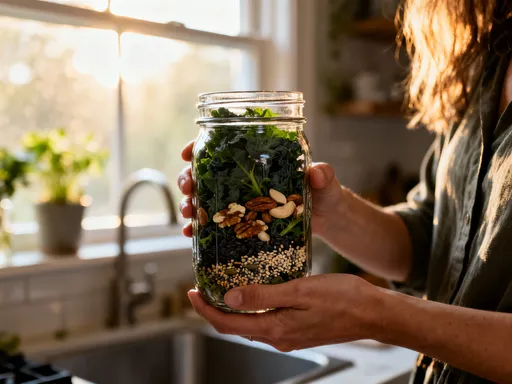
Meal prep, when done right, can support consistency without burnout. I spend a couple of hours on the weekend roasting a tray of mixed vegetables, cooking a pot of quinoa, and preparing a bean salad. These components can be mixed and matched throughout the week—turning into grain bowls, wraps, or side dishes. The key is to prepare versatile bases, not full meals, so you don’t get tired of eating the same thing. I also keep healthy staples on hand: canned beans, frozen vegetables, nut butters, and whole grain pasta. This way, even on busy nights, I can put together a nutritious meal in minutes. The goal isn’t to cook elaborate dishes every night—it’s to make healthy choices the easy choice.
Science You Can Trust: What Research Says About Food and Immunity
The connection between diet and disease prevention is not theoretical—it’s backed by decades of research. Large-scale studies like the Nurses’ Health Study and the Adventist Health Study have consistently shown that people who eat more plant-based diets have lower rates of heart disease, type 2 diabetes, and certain cancers. For example, one analysis found that eating just one serving of nuts per day is associated with a 20% lower risk of heart disease. Another study showed that people who consume more fiber have a 15–20% lower risk of all-cause mortality.
Gut health is another area where diet plays a decisive role. The trillions of bacteria in your digestive system—known as the microbiome—help regulate immunity, produce certain vitamins, and even influence brain function. A diet rich in fiber and fermented foods supports a diverse and balanced microbiome, while a diet high in processed foods can lead to imbalance, known as dysbiosis. This imbalance has been linked to conditions ranging from irritable bowel syndrome to depression and autoimmune disorders. By feeding your gut bacteria with plant fibers, you’re not just improving digestion—you’re strengthening your entire body’s defenses.
One of the most empowering insights from nutrition science is that consistency matters more than perfection. You don’t have to eat perfectly 100% of the time to benefit. The 80/20 rule—a guideline suggesting that eating healthily 80% of the time allows for flexibility the other 20%—is supported by evidence. It reduces the stress and guilt that often come with rigid diets, making long-term change more sustainable. Occasional treats, dining out with family, or enjoying a piece of cake at a birthday party don’t undo your progress. What matters is the overall pattern. Over time, a mostly whole-food, plant-forward diet builds a body that’s better equipped to prevent illness and thrive.
Making It Last: Turning Good Eating Into a Lifestyle
The final step in building lasting health is shifting from short-term changes to long-term habits. This means moving away from the idea of “being on a diet” and toward the concept of living a certain way. The most successful people I’ve seen aren’t those who follow strict rules—they’re the ones who’ve integrated healthy eating into their lives in a flexible, compassionate way. They don’t see food as the enemy. They see it as a form of self-care, a daily act of kindness toward their future selves.
Flexibility is key. Depriving yourself completely of foods you enjoy often leads to cravings and bingeing. Instead, I focus on balance. If I’m going to a family dinner, I don’t stress about the menu. I enjoy the meal, savor what I love, and return to my usual pattern afterward. Social connection is also vital for health—sometimes more than the exact food on your plate. Meals shared with loved ones reduce stress, strengthen relationships, and bring joy. A healthy lifestyle includes these moments, not in spite of them.
Self-compassion is just as important. There will be days when you’re tired, busy, or emotional, and you make less-than-ideal choices. That’s normal. What matters is not the single meal or day, but the direction you’re moving in. Progress, not perfection, is the goal. Over time, small, consistent choices add up to big changes. You may not notice the difference in a week, but in six months or a year, you’ll likely feel stronger, more energized, and more resilient.
Food is more than calories or nutrients. It’s a daily decision about the kind of life you want to live. By choosing whole, nourishing foods most of the time, you’re investing in a future with more energy, fewer illnesses, and greater vitality. You’re not just eating to survive—you’re eating to thrive. And while this journey is personal, it doesn’t have to be done alone. Talking to your doctor, working with a registered dietitian, or simply sharing meals with family can make the path easier. Always consult a healthcare provider before making major dietary changes, especially if you have existing health conditions. But know this: it’s never too late to start. Every bite is a chance to care for yourself, one meal at a time.